How to Handle Credit Card Fraud Quickly and Safely
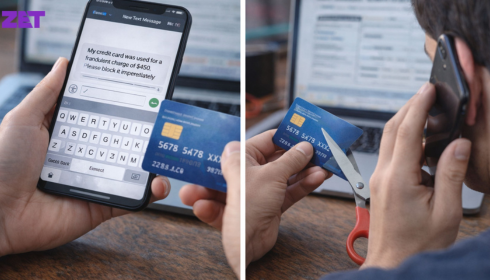
In today’s digital-first world, credit cards have made transactions incredibly convenient—but they’ve also opened the door to new types of financial fraud. One unauthorized swipe or suspicious online payment can leave you stressed and confused. The good news? If you act fast and follow the right process, you can limit the damage and even recover your money.
Understanding Credit Card Fraud
Credit card fraud usually happens when someone gains access to your card details—either through phishing emails, data breaches, or unsecured websites—and uses them to make unauthorized transactions. Sometimes, these transactions are small and go unnoticed at first. Other times, they can be significant and alarming.
Recognizing the signs early is critical. Unexpected OTP requests, unfamiliar charges on your statement, or sudden declines in legitimate transactions are all red flags.
Immediate Steps to Take
The moment you notice anything unusual, your first priority should be to block your card. Most banks offer instant card blocking through mobile apps, SMS, or customer care. Acting within minutes can prevent further misuse.
Next, review your recent transactions carefully. Identify and note down any suspicious entries, including date, time, and amount. This documentation will help when filing your complaint.
This is where initiating an online credit card fraud complaint becomes essential. Most banks and financial institutions now provide digital platforms where you can report fraudulent activity quickly. Submitting the complaint online ensures faster processing and creates an official record of the issue.
Filing a Complaint the Right Way
Once your card is blocked, proceed to file a formal complaint with your bank. This can typically be done via:
- The bank’s official website or mobile app
- Customer support helpline
- Email communication
When submitting your complaint, provide clear details. Mention the unauthorized transactions, attach screenshots if possible, and include your contact information for follow-up. The more precise your report, the easier it is for the bank to investigate.
In many cases, banks also require you to fill out a dispute form. This step is important for initiating a chargeback process, where the bank attempts to reverse the fraudulent transaction.
Escalating the Issue
If you don’t receive a timely response from your bank, you have the option to escalate the matter. In India, for example, you can approach the banking ombudsman or file a complaint through regulatory portals.
Additionally, reporting the fraud to cybercrime authorities can strengthen your case. Filing a complaint on official cybercrime platforms helps track fraud patterns and may assist in recovering funds.
When dealing with multiple suspicious charges, documenting all credit card fake transaction complaints becomes crucial. Keeping a clear record ensures nothing is overlooked during the investigation process.
Prevention is Better Than Cure
While resolving fraud is possible, preventing it is always easier. A few simple habits can significantly reduce your risk:
- Avoid saving card details on unknown websites
- Use secure and trusted payment gateways
- Enable transaction alerts via SMS or email
- Regularly check your bank statements
- Never share OTPs or CVV numbers with anyone
Also, consider setting spending limits or disabling international transactions if you don’t need them. These small steps act as an additional layer of protection.
What Happens After You File a Complaint?
After your complaint is registered, the bank begins its investigation. This process may take a few days to a few weeks, depending on the complexity of the case. During this time, you might receive temporary credit for the disputed amount, although policies vary by bank.
If the investigation confirms fraud and you’ve followed all security guidelines, you are typically not held liable for the loss. However, delays in reporting can sometimes affect your claim, which is why quick action is so important.
Final Thoughts
Credit card fraud can feel overwhelming, but it’s manageable if you respond promptly and follow the right steps. From blocking your card to filing complaints and staying vigilant, every action you take plays a role in protecting your finances.
Think of it this way—your credit card is a powerful financial tool, but like any tool, it needs careful handling. Stay alert, stay informed, and don’t hesitate to act the moment something feels off.