
Author: marlinpost.com

  • Maximizing Peacock’s Free Tier: A Comprehensive Guide to Streaming Smart and Saving Money

    Maximizing Peacock’s Free Tier: A Comprehensive Guide to Streaming Smart and Saving Money

    In an era of escalating streaming subscription costs, Peacock’s free tier stands as a notable outlier—a legitimate, advertising-supported service from a major media conglomerate (NBCUniversal) offering a substantial library of content at no monetary cost. While the platform naturally incentivizes upgrades to its Premium ($5.99/month) and Premium Plus ($11.99/month) tiers, a strategic and informed user can extract exceptional value from the free offering. This guide delves into the intricacies of Peacock Free, providing a roadmap to optimize your experience, navigate its limitations, and build a rich, cost-free entertainment routine.

    You May Also Like- Peacock : Start Streaming Today with This Simple Login Guide Visit : Peacocktv.com tv/samsung

    Understanding the Foundation: What Peacock Free Actually Offers

    Before strategizing, it’s crucial to delineate what’s available. Peacock Free is an ad-supported service with a rotating library of thousands of hours of content. Its core pillars include:

    1. Select Current-Season NBC Shows: Episodes of series like The Tonight Show Starring Jimmy Fallon and Late Night with Seth Meyers are available next-day. A limited selection of scripted primetime shows often appears, typically with the most recent few episodes available on a delayed basis (e.g., one week after air).
    2. Library of Classic NBC Series: This is a treasure trove, including complete runs of iconic shows like The Office, Parks and Recreation, 30 Rock, Friday Night Lights, Cheers, Frasier, and Downton Abbey.
    3. Curated Movie Collections: A rotating selection of films from Universal Pictures, DreamWorks, and other studios. While not first-run blockbusters, the catalog is deep with cult classics, comedies, horror (especially around Halloween), and family films.
    4. News and Sports: Live 24/7 channels for NBC News Now, Sky News, and selected live sports events, including Sunday Night Football (with a limitation—see below) and Premier League soccer highlights and match replays. The Olympics coverage is notably robust, with extensive highlights, event replays, and curated coverage.
    5. Peacock Originals and Exclusive Content: A limited sampling of first episodes of Peacock Originals (like Poker Face, The Traitors, or Based on a True Story) are often available to entice viewers, alongside Peacock-produced news and talk programming.

    The Critical Limitation: The most significant restriction is device compatibility. Peacock Free is fully accessible on web browsers and on mobile devices (iOS/Android). However, it is not supported on most “living room” TV streaming devices like Roku, Amazon Fire TV, Apple TV, or most smart TVs in the U.S. This is a deliberate funnel to push users toward paid tiers. The workaround? Casting or airplaying from a mobile device or computer to your TV, or using a gaming console (Xbox, PlayStation) which often supports the free tier.

    You May Also Like- Peacock : Start Streaming Today with This Simple Login Guide Visit : Peacocktv.com tv/vizio

    Strategic Navigation: Getting the Most from the Library

    1. Embrace the “Binge-Worthy Series” Strategy:
    Peacock Free’s strongest asset is its back catalog of legendary sitcoms and dramas. Build your viewing around these complete series. The comfort-viewing potential of The Office or Parks and Rec is immense. Treat it as your go-to background noise or dedicated binge platform. Explore series you missed in their initial run, like the witty 30 Rock or the heartfelt Friday Night Lights. This transforms Peacock from a “what’s new” service into a dedicated library for specific, high-quality shows.

    2. Master the “Next-Day & Live” Calendar:
    For news and late-night, Peacock Free is remarkably current. Make it a habit to watch The Tonight Show or Late Night the morning after. The NBC News Now channel provides continuous, free news coverage, a legitimate alternative to cable news networks. For sports, understand the schedule: while live Sunday Night Football is behind a paywall, replays are available shortly after the game concludes. The Premier League coverage, though not live matches, offers extensive highlights, mini-matches, and analysis—perfect for the casual fan.

    3. Exploit Thematic Rotations:
    Peacock’s movie library isn’t static. It often curates collections around holidays or themes (Summer Blockbusters, Halloween Horror, Pride Month, etc.). Regularly check the “Movies” section to see what new batches have arrived. This turns the service into a curated film festival that changes monthly, encouraging discovery of older gems you might not have sought out.

    4. Sample Originals Strategically:
    Use the free tier as a “try before you buy” for Peacock Originals. Watching the first free episode can help you decide if a series is worth a potential future upgrade or a single-month subscription binge. Follow Peacock’s social media or free-tier homepage, which prominently features these free premieres.

    5. Leverage the Olympics and Event Hub:
    During major events like the Olympics or the Tour de France, Peacock Free becomes a powerhouse. While live events may be limited, the volume of free content—highlight reels, daily recaps, event replays, athlete profiles, and studio analysis—is staggering. You can experience the narrative of the Games without watching every minute live, all for free.

    Technical and Practical Optimization

    1. The Casting Workaround:
    Since most TVs don’t have a Peacock Free app, learn to cast effectively. Ensure your streaming device (Chromecast, AirPlay-compatible TV, Smart TV with built-in casting) and phone/computer are on the same Wi-Fi network. The streaming quality via casting is typically excellent. This turns your phone into a remote control for free TV.

    2. Profile Management:
    Even on the free tier, create individual profiles for household members. This allows for personalized watchlists and recommendations, making the experience more tailored and helping track your progress in long series.

    3. The Watchlist is Your Anchor:
    The “Watchlist” (or “My Stuff”) feature is essential. Whenever you stumble upon a movie or series that interests you but aren’t ready to view, add it. This circumvents the browsing interface and creates a personalized menu of your chosen content, saving time and ensuring you don’t lose track of rotating titles.

    4. Ad-Tolerance Mindset:
    The ad load on Peacock Free is substantial—typically 4-5 minutes per hour of content, in chunks. Frame this not as an interruption, but as a built-in break. Use ad time for quick chores, checking your phone, or discussion. Remember, this is the trade-off for a completely free service.

    5. Pair with Other Free Services:
    Peacock Free should be one pillar of a free streaming strategy. Combine it with other ad-supported services like Tubi, Freevee, Pluto TV, and The Roku Channel. Each has its own strengths, and together they can form a content portfolio that rivals a paid subscription without the cost.

    Navigating Limitations and Setting Expectations

    The key to satisfaction with Peacock Free is managing expectations. You will not get:

    • Day-after access to all current NBC shows (e.g., Law & Order: SVU, Chicago Fire).
    • Full seasons of most Peacock Originals.
    • Live access to many major sporting events (like full Premier League matches or live SNF).
    • Convenient, app-based access on your primary TV without casting.

    Accepting these parameters allows you to appreciate what is there: a deep, high-quality, and constantly refreshed library of beloved TV series, films, news, and sports-adjacent content, all legally free.

    You May Also Like- Peacock : Start Streaming Today with This Simple Login Guide Visit : Peacocktv.com/tv

    Conclusion: The Savvy Streamer’s Secret Weapon

    Peacock Free is not a replacement for a comprehensive paid streaming service, but it is arguably the most valuable complimentary offering from a major studio. By strategically focusing on its unparalleled library of classic TV, actively engaging with its current news and late-night content, exploiting its seasonal rotations, and mastering the technical workarounds, you can cultivate a rich and rewarding viewing habit that costs absolutely nothing.

    In a climate of subscription fatigue, it represents a return to the foundational model of broadcast television: free entertainment, supported by commercials. By approaching it with intention and knowledge, you can transform Peacock Free from a mere sampling platter into a cornerstone of your entertainment diet, proving that sometimes, the best things in life (or at least in streaming) are indeed free.

  • Everything You Need to Know About Book My High Security Number Plate Online

    Everything You Need to Know About Book My High Security Number Plate Online

    In recent years, the Indian government has taken several steps to improve vehicle safety and security. One such initiative is the implementation of High Security Registration Plates (HSRP) for all vehicles across the country. If you own a vehicle—old or new—it is mandatory to have an HSRP installed to comply with the latest transport regulations. In this article, we’ll explain everything you need to know about how to book my high security number plate online, its benefits, and the process involved.


    What is a High Security Number Plate?

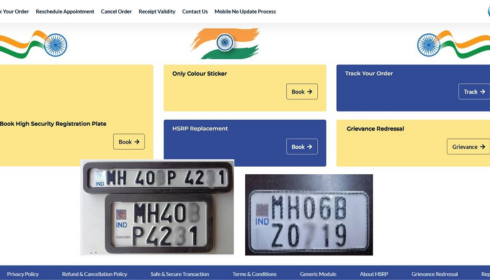
    A High Security Number Plate (HSRP) is a tamper-proof number plate made of aluminum and comes with a unique laser-etched code. It also features a hot-stamped chromium-based hologram of Ashoka Chakra and a unique PIN (Personal Identification Number) that is linked to the vehicle’s chassis number.

    HSRPs are designed to prevent vehicle theft and help in easy tracking and identification. These plates are uniform across all states and are issued by authorized vendors approved by state transport departments.


    Why is HSRP Mandatory?

    The Government of India, under the Motor Vehicles Act, has made it mandatory for all vehicles sold before and after April 2019 to install HSRP. This regulation aims to standardize the number plate system and reduce the number of vehicles with fake or duplicate number plates.

    If you’re caught driving a vehicle without an HSRP, you could be fined or even face stricter penalties depending on the state’s rules. Hence, it’s critical to book my high security no plate as soon as possible.


    Benefits of HSRP for Vehicle Owners

    1. Anti-Theft Mechanism: The unique identification number on the plate helps in tracking the vehicle if it’s stolen.
    2. Standardization: Uniform number plate style across India improves enforcement and road safety.
    3. Tamper-Proof Design: The non-removable snap-lock makes the plate tamper-resistant.
    4. Easier Law Enforcement: Helps traffic police and authorities identify genuine vehicles quickly.

    How to Book My High Security Number Plate Online

    Thanks to digital advancements, you can now easily book your HSRP online from the comfort of your home. Here’s a step-by-step guide:

    Step 1: Visit the Official Website

    Go to the official HSRP portal assigned for your state or use https://bookmyhsrp.com if your vehicle is registered in Delhi or Uttar Pradesh.

    Step 2: Enter Vehicle Details

    Provide your vehicle registration number, engine number, chassis number, and other details.

    Step 3: Choose Location

    Select your preferred fitment location and time slot for installing the HSRP. You may also choose the home installation option if available.

    Step 4: Make Payment

    Pay the required fees online through debit card, credit card, UPI, or net banking. Fees typically range from ₹400 to ₹1,100 depending on vehicle type.

    Step 5: Confirmation and Installation

    You will receive an SMS and email confirmation with the booking details. On the scheduled date, visit the fitment center or wait for the technician (if home installation is opted for).


    Documents Required for Booking

    • Vehicle Registration Certificate (RC)
    • Engine and Chassis number
    • Valid ID proof (if required)
    • Mobile number and email for OTP verification

    Important Tips Before You Book

    • Only use authorized websites for booking.
    • Keep your vehicle details handy.
    • Check if your state allows home delivery and installation.
    • Do not trust unauthorized vendors or third-party sellers.

    Final Thoughts

    Getting your HSRP is not just a legal formality but also a safety measure for your vehicle. It ensures better security, easier identification, and helps curb vehicle-related crimes. With an easy online booking process, there’s no excuse to delay. So, take action now and book my high security number plate online to stay compliant and secure on the road.

  • Эвакуационные маршевые лестницы П2: устройство и эвакуация

    Эвакуационные маршевые лестницы П2: устройство и эвакуация

    В отличие от вертикальных конструкций, эвакуационные пожарные лестницы маршевого типа (П2) предназначены для обеспечения безопасного и быстрого выхода людей с верхних этажей в случае чрезвычайных ситуаций. Эти конструкции являются обязательным элементом для всех зданий и сооружений, высота которых превышает 20 метров, а также для объектов с большим скоплением людей. Маршевые лестницы обеспечивают более высокий уровень безопасности и комфорта при спуске, поскольку имеют наклонные марши и горизонтальные площадки, имитируя обычные внутридомовые лестницы.

    Нормативное регулирование и классификация

    Производство и установка маршевых лестниц П2 строго регламентируются рядом ключевых документов: ГОСТ Р 53254-2009 (Техника пожарная. Лестницы пожарные наружные стационарные), СНиП 21-01-97 (Пожарная безопасность зданий и сооружений) и СП 1.13130.2009 (Системы противопожарной защиты. Эвакуационные пути и выходы).

    Маршевые лестницы П2 характеризуются следующими обязательными параметрами:

    1. Наличие маршей и площадок: состоят из наклонных маршей (пролетов) и горизонтальных площадок между ними, которые служат для отдыха и изменения направления движения.
    2. Обязательное ограждение: Ограждение должно быть установлено как по периметру лестничных маршей, так и на горизонтальных площадках и кровле.
    3. Огнестойкость: Конструкция должна обладать высокой огнестойкостью, чтобы сохранять несущую способность в течение времени, необходимого для полной эвакуации.

    Ключевые требования к геометрии и безопасности

    Для обеспечения быстрой и безопасной эвакуации маршевые лестницы П2 должны соответствовать строгим геометрическим параметрам:

    • Ширина марша: Ширина рабочей зоны марша (свободное пространство между поручнями) должна быть не менее 0,6 метра. Для зданий с большим количеством эвакуирующихся людей ширина может быть увеличена до 0,9 или 1,2 метра.
    • Угол наклона: Угол наклона маршей является критическим параметром безопасности и не должен превышать 6:1 (30 градусов). Более крутой наклон замедляет спуск и увеличивает риск падения.
    • Высота ограждения: Высота поручней должна быть не менее 1,2 метра для обеспечения безопасности людей, особенно в условиях паники и ограниченной видимости.
    • Ступени: Ступени должны быть изготовлены из рифленой или просечно-вытяжной стали, что предотвращает скопление воды, снега и наледи, минимизируя скольжение. Глубина ступени должна быть комфортной для шага.

    Производство и Материалы

    Изготовление маршевых лестниц П2 — это сложный инженерный процесс, требующий высокой точности:

    1. Проектирование и расчет нагрузок: на этапе проектирования производится расчет статических и динамических нагрузок, которые должна выдерживать конструкция. Лестница должна быть спроектирована таким образом, чтобы выдерживать одновременный спуск большого количества людей.
    2. Сварка и сборка: используется сертифицированный стальной прокат. Сварные швы являются несущими элементами и подвергаются строгому контролю качества (например, ультразвуковому или магнитопорошковому контролю).
    3. Антикоррозийная защита: поскольку лестницы постоянно подвергаются атмосферному воздействию, обязательным является качественная антикоррозийная обработка. Наиболее надежным методом является горячее цинкование, которое обеспечивает долговечность покрытия и минимальные эксплуатационные расходы.

    Монтаж и Пропускная способность

    Правильный монтаж маршевой лестницы на объекте не менее важен, чем ее качественное изготовление.

    • Крепление: Кронштейны, крепящие лестницу к фасаду, должны быть надежно закреплены на несущих элементах здания и рассчитаны на высокие нагрузки на сдвиг и вырыв.
    • Доступ: должен быть обеспечен свободный доступ к лестнице с каждого этажа. Двери или люки, ведущие на лестницу, должны быть легко открываемыми (без ключа) и иметь определенный предел огнестойкости.

    Особое внимание уделяется расчету пропускной способности. В крупных зданиях или на объектах с высокой концентрацией людей (торговые центры, больницы, административные комплексы) ширина марша и количество лестниц определяются исходя из расчетного времени эвакуации. Нормы требуют, чтобы все люди могли покинуть опасную зону за регламентированное время, используя доступные эвакуационные пожарные лестницы.

    Испытания и Эксплуатация

    После монтажа, а также не реже одного раза в 5 лет маршевые лестницы П2 должны проходить испытания на прочность. Испытания включают:

    • Нагрузка на ступени: Каждая пятая ступень марша и каждая площадка испытывается статической нагрузкой, которая должна удерживаться в течение двух минут.
    • Нагрузка на ограждение: Ограждения лестничных маршей и площадок также испытываются на прочность.

    Вне зависимости от периодических испытаний ежегодно проводится визуальный осмотр целостности конструкции, сварных швов и антикоррозийного покрытия. Наличие ржавчины, трещин или деформаций является основанием для немедленного ремонта и внеочередных испытаний. Только своевременное обслуживание и строгое соответствие нормам гарантирует, что маршевая лестница П2 станет надежным путем спасения в критической ситуации.

  • All-in-One App for Demat, Trading, and Investment Management

    All-in-One App for Demat, Trading, and Investment Management

    The innovation of digital finance changed a lot in the management of portfolio sees by the retail investor. Technology empowers users to store securities, trade online, and track investments-all in a single digital interface. An App for Demat and Trading and investment management helps simplify the process of integrating different financial services within one seamless platform in terms of convenience, transparency, and efficiency for first-time investors as well as professionals.

    The Work of a Demat Account

    A Demat account, or Dematerialized Account, stands for a safe digital storage system for electronic holding of any type of financial security. Shares, bonds, ETFs, and units of mutual funds rested in such Demat accounts in an electronic mode without the need for any physical certificates.

    Demat apps allow investors to access holdings from anywhere at any time. The apps show transaction history, current valuation, and asset allocation in real-time. Such accessibility allows investors to track their portfolios without recourse to a broker or other intermediary.

    Together with online trading and investment apps, the Demat feature does much more than just storage; it forms the environment for seamless transactions and sound long-term wealth management.

    Trading Made Easy

    Majorly increased market participation was bought in by buying and selling securities via a mobile platform. A combined Trading and Demat app allows users to trade instantaneously while updating all holdings automatically.

    The trading section immediately updates its users with real market prices, stock prices, and analytical facilities for real knowledge. Users can view charts, study patterns, and place orders of buy or short sell within a click or two-all in real time, with order updates instanced.

    Such platforms provide flexibility to investors in managing risk via order types like market, limit, and stop-loss. Execution-and-monitoring partnerships in such an environment allow traders to confidently take action even in fast-moving markets.

    Investment Management within One Platform

    Beyond trading systems, we have profile planning, diversification, and portfolio augmentation to do for investors. Such functionality under one umbrella amalgamates mutual funds, ETFs, and SIPs into the same ecosystem.

    Investment management tools track both equity and non-equity instruments, providing a clear picture of asset distribution. The App for Demat and trading together ensures that all transactions—whether buying stocks or subscribing to funds—reflect in a consolidated dashboard.

    Features provided for analytical purposes facilitate the understanding of portfolio performance, thereby allowing investors to assess returns or risk exposure. Charts and summaries could showcase investment distribution across different sectors, asset classes, and timeframes. This transparency enables users to re-plan rightly to attain their targets.

    All-in-One App Features

    Some key characteristics should accompany a good all-in-one investment app:

    • Unified Access: Single login for the Demat account, trading, and investment management.
    • Portfolio Overview: All assets and holdings in single view: stocks, bonds, ETFs, and mutual funds.
    • Real-Time Market Data: Where live pricing, real-time chart marking, and research tools assist in clients’ trading decisions.
    • Automated Updates: Trades are automatically executed and reflected in the client’s Demat account.
    • Goal Thresholding: Tools to align their investment strategies with their respective financial goals.
    • Alerts: Changes in price, dates of dividends, or notifications.

    These are the features that will turn investments into a systematic and data-oriented process to ensure that educated decisions do not fall into speculation.

    Benefits of a Dual Platform

    A combination of an application for Demat, trading, and investment management would prove advantageous to the user in many ways.

    • Convenience: A single interface for trading as well as portfolio viewing.
    • Efficiency: Automatic synchronizing of holding trades minimizes possibilities for manual errors.
    • Transparency: All assets visible, executions, and transactions.
    • Flexibility: Movement between long-term investment and short-term trading feels seamless to investors as well.
    • Time Efficiency: Real-time monitoring and instant execution of orders are time and effort savers.

    Integrating allows investors to focus on strategy instead of operations.

    Onboarding

    Starting off is simple with a single combined App for Demat and trading. Complete your KYC and link your bank account.  Thereafter, users need to fund their trading wallet and start portfolio building.

    An investor can directly buy stocks from the dashboard, invest in mutual funds, or initiate an SIP. Reports and analytics will help investors refine strategies and control risks.

    The end result is a single configuration that allows all to be done-from storage to execution in one place-improving on the effort while increasing control over their finances.

    Conclusion

    Digital transformation assures an investor of comfort and structure. The App for Demat, Trading, and investment management seamlessly integrates storage, execution, and analysis. Investors can now easily track holdings and trade securities under one roof without juggling multiple accounts.

    The integration of systems aids in planning, timely decision-making, and efficient portfolio management by individuals. Technology effectively meets the investing needs of any person, while the all-in-one platform eases into the entire journey of explaining to anyone who wishes to trade or invest with clarity and control.

  • solutions ARMOR, Toshiba, Zebra et les variantes couleur

    solutions ARMOR, Toshiba, Zebra et les variantes couleur

    Lorsqu’il s’agit d’imprimer des étiquettes durables, précises et résistantes, le ruban transfert thermique s’impose comme une technologie incontournable dans de nombreux secteurs. Que ce soit dans la logistique, l’industrie, la santé ou le commerce de détail, ces rubans permettent une impression nette et durable sur différents supports, comme le papier ou les étiquettes synthétiques.

    Qu’est-ce qu’un ruban transfert thermique ?

    Le ruban transfert thermique est un consommable utilisé dans les imprimantes à transfert thermique. Il se compose généralement de trois couches : une base en polyester, une couche d’encre (cire, résine ou cire/résine) et un revêtement arrière pour protéger la tête d’impression. Le fonctionnement repose sur la chaleur : la tête thermique chauffe des zones précises du ruban, ce qui transfère l’encre sur le support.

    Il existe plusieurs types de rubans, chacun ayant ses usages :

    • Cire : adapté au papier standard, faible coût, usage bureautique.
    • Cire/résine : bon compromis entre coût et durabilité.
    • Résine : idéal pour les surfaces synthétiques et les environnements difficiles (chaleur, humidité, produits chimiques).

    Ruban transfert thermique ARMOR : l’expertise française

    ARMOR est l’un des leaders mondiaux du ruban transfert thermique. Cette entreprise française se distingue par sa qualité et son innovation, notamment en matière de développement durable. Le ruban transfert thermique ARMOR est décliné en plusieurs gammes :

    • AWR® et AWX® : rubans cire et cire/résine pour impression sur papier.
    • APR® : cire/résine polyvalente pour de nombreuses applications.
    • AXR® : ruban résine pour des besoins extrêmes en résistance.

    Ce qui fait la force d’ARMOR, c’est également son engagement environnemental avec des produits comme le programme “inkanto”, qui inclut des rubans garantis sans solvant et une traçabilité exemplaire.


    Ruban transfert Toshiba : précision et fiabilité

    Les rubans transfert thermique Toshiba sont conçus spécifiquement pour leurs imprimantes industrielles. La marque offre une compatibilité parfaite entre l’imprimante et le ruban, garantissant une qualité d’impression optimale.

    Le ruban transfert Toshiba existe en cire, cire/résine et résine, selon les besoins :

    • AG2 (cire)
    • AS1/AS2 (cire-résine)
    • SG2/SD2 (résine)

    Toshiba mise sur la durabilité, la résistance à l’abrasion, et une bonne tenue dans le temps, même dans des environnements complexes comme les entrepôts frigorifiques ou les laboratoires.


    Ruban transfert Zebra : la solution pour les pros du retail

    Zebra Technologies est réputée pour ses solutions d’étiquetage dans le commerce, la santé et la logistique. Le ruban transfert Zebra est spécifiquement conçu pour fonctionner avec ses imprimantes thermiques, assurant une compatibilité totale et un résultat de qualité.

    Zebra propose des gammes telles que :

    • Zebra 2300 (cire)
    • Zebra 3200 (cire/résine)
    • Zebra 5095 (résine)

    Ces rubans assurent une impression durable, avec une bonne résistance au frottement, aux rayures et aux produits chimiques — un choix idéal pour les environnements exigeants.


    Ruban transfert thermique couleur : pour des impressions qui se démarquent

    Au-delà du noir classique, il est tout à fait possible d’imprimer en couleurs grâce au ruban transfert thermique couleur. Ces rubans, disponibles en rouge, bleu, vert, blanc, argenté ou doré, permettent de différencier visuellement les étiquettes selon les besoins : mise en alerte, branding, ou distinction de catégories.

    Ils sont très utilisés dans :

    • Le secteur pharmaceutique (couleurs pour codes risques)
    • La logistique (priorisation visuelle)
    • Le marketing produit (visuels attrayants)

    Toutefois, il est important de noter que ces rubans couleur sont généralement en résine, ce qui implique un coût un peu plus élevé que les rubans standards.


    Conclusion

    Le choix d’un ruban transfert thermique dépend avant tout de l’usage final, du support d’impression, et des conditions environnementales. Des marques comme ARMOR, Toshiba, ou Zebra offrent des solutions adaptées à tous les besoins professionnels, avec des options en noir et en couleur. Investir dans le bon ruban, c’est garantir une impression lisible, résistante et professionnelle sur le long terme.

  • How Collaboration Between Homeowners and General Contractors Leads to Success

    How Collaboration Between Homeowners and General Contractors Leads to Success


    Key Takeaways

    • Effective collaboration between homeowners and general contractors enhances project outcomes.
    • Open communication and shared goals are crucial for the success of construction projects.
    • Utilizing collaborative tools and technologies can streamline processes and reduce errors.

    Embarking on a construction or renovation project represents a significant investment for homeowners, both financially and emotionally. The outcome hinges on the partnership built with the project’s general contractor. Finding the right general contractor Riverview, SC is just the first step—working collaboratively throughout the process ensures that the finished product meets or exceeds expectations. This relationship is more than a contractual agreement; it’s an alliance rooted in trust and shared vision. When homeowners and contractors engage openly and respectfully, they set the foundation for a smoother, more successful project that reflects the homeowner’s intentions and benefits from the contractor’s expertise.

    The Importance of Open Communication

    Consistent, clear, and honest communication is at the core of any successful construction project. Homeowners need to feel empowered to voice their ideas, preferences, and concerns from the outset. Concurrently, contractors must keep homeowners informed about the project’s status, including any issues that arise or changes that require discussion. Open channels of dialogue help mitigate misunderstandings, reduce stress, and keep everyone aligned toward common goals. This collaborative spirit ultimately strengthens decision-making and provides both parties with a sense of ownership over the project’s results. In fact, many project failures are rooted in communication breakdowns, making it vital for both sides to prioritize ongoing, honest exchanges throughout every phase.

    Setting Shared Goals

    Successful projects begin with setting clear expectations and shared objectives. During initial discussions, both homeowners and contractors should clarify the project scope, timelines, budget, and desired outcomes to ensure a clear understanding of the project. This alignment ensures that all parties understand what a successful project looks like and the steps required to achieve it. When difficult decisions arise—such as selecting between materials, prioritizing upgrades, or addressing unforeseen obstacles—having a unified vision helps streamline the decision-making process. It is this shared sense of direction that fosters a mutually rewarding project experience.

    Leveraging Collaborative Tools and Technologies

    The digital era offers a range of solutions that enhance collaboration in construction projects. Tools such as project management software, digital calendars, instant messaging platforms, and cloud-based file-sharing services can simplify communication and streamline workflows. These tools enable both homeowners and contractors to stay informed about project milestones, track changes in real-time, and access essential documents from anywhere.

    Incorporating modern project management platforms can notably reduce miscommunication or lost information, resulting in fewer costly mistakes and time delays. For homeowners, this transparency brings peace of mind, while contractors benefit from organized workflows and easier oversight.

    Regular Progress Meetings

    Routine check-ins—whether in-person, virtual, or by phone—make it easier to review progress, discuss challenges, and refine plans as needed. Scheduling these meetings at key project intervals maintains focus and momentum. Additionally, regular meetings offer a structured setting for raising questions, reviewing milestones, and ensuring the project plan remains realistic and manageable. Continuous engagement enables proactive adjustments when conditions change, helping to prevent last-minute surprises and costly overruns. These meetings also help to celebrate achievements, reinforcing trust between all parties and encouraging a positive project experience.

    Building Trust and Mutual Respect

    Trust forms the foundation for any productive partnership. For homeowners, this means relying on the contractor’s knowledge and craftsmanship. In turn, contractors should honor the homeowner’s goals, preferences, and needs, respecting their vision for the finished space. Mutual respect fosters better cooperation and enhances the likelihood of delivering a high-quality result on time and within budget. When each side recognizes the value the other brings, a sense of shared purpose emerges. This mutual understanding prevents unnecessary conflicts and keeps the focus on achieving the best possible outcome.

    Addressing Challenges Together

    Unforeseen challenges are an inherent part of most construction projects. When unexpected issues arise—whether due to weather delays, material shortages, or design revisions—a collaborative approach is vital. By pooling their ideas and resources, homeowners and contractors are more likely to develop creative solutions that resolve problems without major disruption. This team-oriented mindset transforms potential setbacks into opportunities for improvement, reinforcing the project partnership and laying the groundwork for long-term success. Successful renovations often hinge on how well teams adapt to change together.

    Conclusion

    Collaboration between homeowners and general contractors is crucial for achieving great outcomes in construction projects. By emphasizing open communication, defining shared goals, utilizing digital tools, maintaining regular contact, and fostering trust, both parties can navigate even the most complex projects with confidence. Ultimately, this collaborative relationship ensures that the finished result not only fulfills technical requirements but also brings the homeowner’s vision to life in a way that is cost-effective, efficient, and deeply satisfying.

  • A Complete Guide to Feasibility Studies for Carbon Credits, USDA Projects, Hotels, and Infrastructure

    A Complete Guide to Feasibility Studies for Carbon Credits, USDA Projects, Hotels, and Infrastructure

    A feasibility study is one of the most essential steps in evaluating whether a project is worth pursuing. Whether you are planning a new business venture, exploring environmental initiatives, or developing commercial infrastructure, conducting a thorough feasibility study ensures that you understand the financial, operational, and technical realities of your plan. From Carbon Credit Feasibility Study assessments to USDA-backed rural developments, hotel construction, and major infrastructure upgrades, this strategic analysis helps minimize risks while maximizing long-term value.

    What Is a Feasibility Study?

    A feasibility study is an in-depth evaluation of a proposed project to determine if it is practical, profitable, and strategically viable. It examines factors such as market demand, financial costs, technical requirements, environmental impacts, regulatory guidelines, and potential revenue outcomes. This process helps decision-makers identify strengths, weaknesses, opportunities, and risks before committing large investments.

    Carbon Credit Feasibility Study: Ensuring Environmental and Financial Viability

    Organizations pursuing sustainability projects often rely on feasibility studies to evaluate the potential of carbon credit generation. A carbon credit feasibility study analyzes whether a project—such as reforestation, renewable energy, soil carbon programs, or methane reduction—meets global carbon certification standards. It measures projected carbon sequestration, long-term environmental impact, and financial return from verified credits.

    This type of study is especially valuable for agricultural businesses, energy companies, nonprofit conservation groups, and landowners who want to transition to eco-friendly practices. By reviewing scientific data, regulatory requirements, and certification frameworks, the study ensures that the project is eligible for registration under recognized carbon standard bodies.

    USDA Feasibility Study for Rural Development Projects

    A USDA Feasibility Study is typically required for loan and grant applications under USDA Rural Development programs. These studies help farmers, rural businesses, cooperatives, and community organizations demonstrate the financial and operational feasibility of their proposed projects. The analysis includes economic impact assessments, market potential, environmental compliance, revenue forecasts, and operational plans.

    USDA studies must follow strict guidelines to meet federal requirements. As a result, investors and rural entrepreneurs often rely on industry experts to develop a detailed report that strengthens their application and improves their chances of securing funding.

    Hotel Feasibility Study: Building Successful Hospitality Ventures

    A hotel feasibility study plays a pivotal role in determining whether a new hospitality project can succeed in a specific market. It examines location advantages, tourism demand, nearby competition, construction costs, occupancy rate projections, and expected revenue outcomes.

    Developers rely on these studies to understand what type of hotel (budget, boutique, luxury, or extended-stay) will work best in the selected market. By evaluating local travel trends, economic conditions, and customer demographics, the study provides a clear path for profitable hotel planning and investment decisions.

    Infrastructure Feasibility Study: Planning Large-Scale Public and Private Projects

    Infrastructure projects—such as roads, bridges, ports, water systems, and utilities—require significant investment and long-term planning. An infrastructure feasibility study evaluates technical challenges, engineering requirements, cost estimates, regulatory approvals, construction timelines, and overall economic benefits.

    These studies are crucial for governments, engineering firms, investors, and private developers. They help ensure that infrastructure projects are practical, durable, and financially sustainable before construction begins.

    Why Feasibility Studies Matter

    Across every sector, the primary purpose of a feasibility study is to reduce uncertainty. By identifying potential risks and confirming the practicality of a project, organizations can make informed decisions that support growth, sustainability, and profitability. Whether it is a hotel venture, USDA rural project, carbon credit program, or infrastructure development, a professionally conducted feasibility study provides the clarity needed for successful execution.

    With comprehensive research, reliable data, and expert evaluation, feasibility studies remain one of the most valuable tools for securing financing, meeting regulatory standards, and guiding project planning across all industries.

  • Tara Matka and Madhur Matka: Exploring Popular Names in the Matka World

    Tara Matka and Madhur Matka: Exploring Popular Names in the Matka World

    The matka number game has been part of Indian popular culture for many years, gaining recognition for its unique structure and terminology. Among the many names and terms associated with this system, tara matka and madhur matka are frequently searched by users who want to understand their meaning, relevance, and role within the broader matka landscape. These keywords often appear in online discussions, informational blogs, and search queries related to matka results and explanations.

    Matka originated decades ago and gradually developed into a system with defined markets, timings, and result formats. Over time, different matka names emerged, each associated with specific schedules or styles of result declaration. This diversity is one of the reasons matka continues to attract attention, as users explore various terms to gain a clearer understanding of how the system works.

    Tara matka is commonly mentioned in online spaces where matka-related information is shared. The name itself has become recognizable among those who regularly follow matka discussions. Informational articles often explain how such terms are used to identify particular result formats or markets. For readers, understanding these names helps make sense of charts, historical data, and daily updates without confusion.

    Similarly, madhur matka has built its own recognition over time. The term is often linked with structured result announcements and historical references within the matka community. People searching for this keyword are usually looking for background information, explanations, or trend-related insights rather than just numbers. Well-written content helps bridge this gap by providing context and clarity in simple language.

    One important reason these keywords rank well in search engines is user curiosity. Many people want to learn about matka terminology before engaging further. SEO-friendly articles that focus on education rather than promotion perform better in the long run. Search engines value content that answers user intent clearly, uses natural language, and avoids keyword stuffing.

    The digital era has transformed how matka information is accessed. Earlier, matka details were shared locally through word-of-mouth or handwritten notes. Today, websites and blogs serve as primary sources of information, offering explanations, charts, and terminology guides. This shift has increased the importance of original, human-like content that readers can trust.

    From a content strategy point of view, writing about matka requires a balanced approach. Articles should be informative, neutral, and easy to read. Including headings, smooth transitions, and well-structured paragraphs improves readability and SEO performance. When keywords are placed naturally and highlighted sparingly, they add value without harming content quality.

    Another key aspect is responsible awareness. Modern informational articles often emphasize understanding and knowledge rather than participation. This approach helps readers stay informed about cultural relevance, social impact, and general background. Such content aligns well with search engine guidelines and builds long-term credibility for websites covering matka-related topics.

    In conclusion, tara matka and madhur matka represent more than just names within the matka system. They reflect how matka has evolved into a structured topic with its own terminology and digital presence. As interest continues online, the demand for clear, SEO-friendly, and educational articles will remain strong. By focusing on clarity, originality, and reader value, content about matka can stay relevant, trustworthy, and effective in search results over time.

  • SEO Content and Local Search: How the Best Roofing Marketing Companies Win Locally

    SEO Content and Local Search: How the Best Roofing Marketing Companies Win Locally

    Local SEO has transformed how roofing businesses attract customers and sustain growth. With the rise of location-based searches and mobile-first browsing, appearing prominently in local search results is essential for visibility and credibility. The most successful roofing marketing agencies—like Thrive Internet Marketing Agency, WebFX, Ignite Visibility, SmartSites, and Victorious—excel by combining advanced SEO content strategies with proven local optimization techniques. 


    1. Building a Strong Local SEO Foundation

    Winning in local search begins with a robust foundation. The best roofing marketing companies must ensure that their name, address, and phone number (NAP) are consistent across all online platforms—Google Business Profile (GBP), directories, and social media pages. Agencies like Thrive start every campaign with a meticulous audit to identify inconsistencies, duplicate listings, and missing local citations.

    A key execution step is optimizing the Google Business Profile with accurate service areas, operating hours, and images of completed projects. Adding FAQs and encouraging Q&A engagement also improves visibility in Google’s “Local Pack.” For example, if a Dallas roofing company wants to rank higher, they should regularly upload project photos and respond promptly to reviews—signals that Google values highly for local authority.


    2. Content Localization and Service Page Optimization

    Localizing content is where leading agencies stand apart. Thrive and Victorious develop dedicated service pages for each service area, such as “Roof Repair in Austin” or “Commercial Roofing in Houston.” These pages are optimized with local keywords, schema markup, and tailored content that addresses specific neighborhood concerns—like weather-related roof damage or local permitting requirements.

    To execute this effectively, research what locals are searching for using tools like Google Keyword Planner and Ahrefs. Then, weave these terms naturally into headings, meta descriptions, and image alt text. For instance, SmartSites might integrate a section on “storm damage restoration in Tampa” to attract high-intent local traffic. Each page must read authentically—offering localized expertise rather than generic service descriptions.


    3. Leveraging Reviews and Reputation Management

    Customer reviews are the digital equivalent of word-of-mouth marketing. Agencies like WebFX implement structured review acquisition strategies that include post-service follow-ups, email reminders, and SMS prompts encouraging clients to leave feedback. Positive reviews boost not only local rankings but also consumer trust.

    Executing this effectively involves creating a review funnel. After completing a project, roofing companies can send a thank-you email with a link to their Google Business Profile. Negative feedback should be addressed professionally and promptly, demonstrating accountability. Thrive often integrates review widgets into client websites, displaying real-time feedback to enhance transparency and conversion rates.


    4. Geo-Targeted Content Marketing

    Creating geo-targeted content allows roofing companies to connect with local audiences while demonstrating expertise. Agencies like Ignite Visibility produce blogs about region-specific topics such as “How Dallas Heat Affects Your Roof” or “Best Roofing Materials for Wet Climates in Seattle.” This content not only ranks locally but also positions the company as a trusted regional authority.

    To execute this strategy, research local issues—climate, building regulations, or seasonal maintenance—and develop informative content that addresses these pain points. Incorporate city and neighborhood names naturally throughout the article. For instance, a roofing blog could include a customer case study from Plano or Frisco to emphasize local credibility. Updating these posts regularly ensures long-term ranking strength.


    5. Optimizing for Mobile and Voice Search

    As more users search “roof repair near me” on mobile devices, ensuring mobile optimization is non-negotiable. Agencies like Victorious prioritize responsive website design, fast load times, and clear call-to-action buttons. A mobile-optimized site improves user experience and signals search engines that the business is accessible and reliable.

    To take this further, integrate voice search optimization. Many consumers now use smart assistants to find local contractors. Phrasing content in conversational language—like “Who’s the best roofer in Austin?”—helps pages align with voice queries. Roofing businesses can also use FAQ sections to capture these long-tail voice searches, improving both engagement and local relevance.


    6. Local Link Building and Community Engagement

    High-quality local backlinks are a powerful trust signal to search engines. Thrive Internet Marketing Agency often collaborates with local chambers of commerce, news outlets, and home improvement blogs to earn backlinks. Sponsoring community events or publishing guest articles on regional websites further solidifies a roofing company’s presence in its service area.

    To implement this strategy, identify local business directories, industry associations, and non-competing partners. For example, a roofing company could collaborate with a local home inspection firm to cross-promote content. Additionally, share press releases or success stories through local media to gain backlinks while strengthening brand visibility in the community.


    7. Advanced Tracking and Continuous Optimization

    Data-driven optimization sets top agencies apart. WebFX and SmartSites use analytics tools to monitor keyword rankings, lead sources, and user behavior. Tracking performance enables marketers to see which service pages or blog posts generate the most calls and quote requests. This allows for precise adjustments in keyword targeting, content updates, and ad spend allocation.

    Roofing businesses can execute this step by integrating Google Analytics 4 and Google Search Console. Review performance reports monthly and adjust strategies based on results. For example, if “roof replacement Austin” outperforms “roof repair Austin,” focus on creating related content or launching a paid campaign around that keyword. Continuous improvement is essential for sustaining long-term local visibility.


    8. Integrating SEO with Online PR and Branding

    Finally, the best roofing marketing agencies align their SEO efforts with public relations and brand storytelling. Integrating local SEO with Online PR Agencies helps generate organic buzz through digital press releases, influencer collaborations, and media mentions. Thrive, for instance, amplifies roofing clients’ achievements—such as community initiatives or safety awards—across both search and media platforms.

    To execute this integration, identify story-worthy moments that align with local interests. Collaborate with local journalists or bloggers to share these stories, ensuring each publication links back to your website. This not only improves SEO through backlinking but also strengthens community trust. When SEO, PR, and branding work together, roofing companies build not just rankings—but reputations that last.

  • How a Water Softener Can Transform Your Home and Everyday Life

    How a Water Softener Can Transform Your Home and Everyday Life

    It’s funny how something as invisible as water can impact your life so dramatically. At first glance, most of us don’t give it a second thought—tap it, drink it, shower in it, and go about our day. But once you start noticing the little signs—spots on your glasses, soap that refuses to lather, a stubborn crust on faucets—it hits you: your water might be hard. And suddenly, something you’ve taken for granted feels like a nuisance creeping into every corner of your home.

    For years, my household dealt with that silent annoyance. Our dishes looked dull, laundry didn’t quite feel clean, and our hair felt strangely dry no matter how much conditioner we used. Then, a friend suggested looking into water softening solutions. I wasn’t convinced at first—it sounded fancy, maybe unnecessary. But after a bit of research and a couple of consultations, I realized it wasn’t just a luxury. A good water softener system could actually save time, money, and frustration.

    What is Hard Water, Anyway?

    Hard water essentially means your water is packed with minerals, primarily calcium and magnesium. These minerals aren’t dangerous to drink, but they love to leave a mark on everything they touch. Faucets get coated, soap refuses to foam, laundry looks dingy over time, and appliances like water heaters and dishwashers start to suffer.

    At first, you might ignore it. A little spot here, a dull shirt there—it feels trivial. But the cumulative effects are real. Hard water can reduce the efficiency of your appliances and even shorten their lifespan. Over the years, those small inconveniences translate into bigger expenses. That’s why a water softener isn’t just a “nice-to-have.” It’s more like a silent guardian for your home.

    How Water Softeners Work

    The technology behind a water softener is surprisingly simple and clever. Most systems use something called ion exchange. In layman’s terms, the system swaps the minerals in your water that cause hardness for sodium or potassium ions. The result? Softer water that lathers more easily, feels gentler on your skin and hair, and leaves fewer deposits on your pipes and fixtures.

    Some modern systems are almost too smart for their own good—they adjust regeneration cycles based on water usage, save salt, and some even connect to apps for monitoring. And if you’re shopping around, companies like mcleods eco water offer systems that combine durability with eco-conscious features. It’s not just about soft water—it’s about having a solution that fits seamlessly into your life.

    Signs You Might Need a Water Softener

    Sometimes, it’s obvious. Sometimes, it’s subtle. If you notice any of these signs, it might be time to consider a water softener:

    • Soap scum on your shower walls or faucets
    • Dull or grayish laundry despite using quality detergent
    • Water spots on dishes and glasses
    • Dry skin or brittle hair
    • Reduced efficiency or frequent repairs of water-using appliances

    Once you start seeing these little indicators, it’s easier to realize how pervasive hard water can be. And the relief after installing a proper system? Almost immediate.

    Finding the Right System

    Not all water softeners are created equal, and the right one depends on your household’s size, water usage, and hardness levels. This is where doing a bit of homework pays off. Sometimes, a simple call to water softener systems near me can give you a sense of what’s available in your area. Visiting a few providers or scheduling an in-home assessment can help you understand which system will meet your needs without overpaying.

    Some people prefer traditional salt-based systems, while others go for hybrid solutions that combine softening and filtration. It’s all about lifestyle, convenience, and long-term efficiency. A well-chosen system will pay for itself over the years in reduced appliance maintenance, lower energy bills, and less time spent scrubbing away mineral deposits.

    The Importance of Maintenance

    Even the best water softener needs a little TLC. Keeping the brine tank filled, cleaning out any sediment, and monitoring for any leaks or malfunctions are key. Neglecting maintenance can reduce efficiency, shorten the system’s lifespan, and even negate some of the benefits of soft water.

    For those who prefer to leave it to the pros, seeking out water softener maintenance near me ensures that your system continues to operate smoothly. Professionals can handle tricky parts, inspect the resin bed, and ensure regeneration cycles are functioning properly. A quick annual or semi-annual check can save a lot of headaches—and money—in the long run.

    Even if you’re hands-on, knowing when to call in a professional is wise. Maintenance doesn’t have to be a chore, but it does need attention to detail.

    Unexpected Benefits

    What many people don’t realize is that soft water does more than just make dishes sparkle. Your skin and hair can benefit, too. Softer water reduces dryness, irritation, and the need for excessive soap or shampoo. Clothes last longer, colors stay brighter, and cleaning is faster because soap and cleaning agents work more effectively.

    Appliances like water heaters, dishwashers, and washing machines operate more efficiently. They don’t have to work as hard to heat or move water, which saves energy and prolongs their lifespan. That’s a perk most homeowners don’t anticipate until they experience it firsthand.

    Even small chores feel less frustrating. Mirrors, windows, and tiles are easier to keep spotless. No more obsessive scrubbing after every shower. It’s the kind of improvement that quietly but consistently enhances daily life.

    Cost Considerations

    Water softeners range widely in price. Basic units might run a few hundred dollars, while high-end or hybrid systems can be a few thousand. Installation costs vary, especially if plumbing modifications are needed. It’s tempting to focus only on the upfront cost, but long-term savings—reduced energy bills, fewer appliance repairs, and less wear on plumbing—often outweigh initial expenses.

    The best approach is to think of it as an investment, not a purchase. Your water system works quietly every day, and a reliable water softener pays for itself in convenience, comfort, and efficiency.

    Making the Decision

    If you’re hesitating, consider how hard water is quietly affecting your home. Those small annoyances—spotted dishes, dull laundry, itchy skin—might feel minor, but they add up. A water softener transforms everyday routines, making your life more pleasant without demanding constant attention.

    The right system, installed correctly and maintained regularly, is almost like insurance for your home. You might not notice it every day, but over time, it protects your investment and improves your quality of life.

    Even if it’s just for peace of mind, exploring your options—whether it’s checking out mcleods eco water or finding water softener systems near me—is worth a few minutes of research. Once you’ve experienced soft water, it’s hard to imagine going back.

    Conclusion

    Hard water might be invisible, but its impact is tangible. From your appliances to your skin, hair, and even household chores, its influence is everywhere. Installing a water softener—especially a system that fits your home’s specific needs—and keeping it properly maintained can make a noticeable difference.

    Whether you choose a reliable system from mcleods eco water or simply explore options by searching for water softener systems near me, the benefits are immediate and long-term. Pair that with regular upkeep, whether DIY or via water softener maintenance near me, and you’ve got a setup that keeps your home running smoothly and comfortably for years.

    Life is full of small frustrations, and hard water doesn’t need to be one of them. Investing in a quality water softener is a small change that quietly improves daily routines, saves money, and protects your home. Once you make the leap, it’s the kind of upgrade that feels effortlessly transformative—simple, practical, and utterly worth it.