Category: Home services

  • When Your Range Stops Working: A Real Guide to Getting It Fixed Without Losing Your Cool

    When Your Range Stops Working: A Real Guide to Getting It Fixed Without Losing Your Cool

    There’s something oddly comforting about a kitchen humming with life. The sound of water running, the faint clatter of utensils, and of course—the hiss or hum of the stove as dinner comes together. But when your range suddenly gives up, it feels like someone pulled the plug on that rhythm. You’re left staring at half-cooked pasta or raw chicken, wondering how you’ll improvise. We’ve all been there. And truthfully, it’s less about the inconvenience and more about that sinking feeling of, “Okay, what now?”


    The Small Signs You Shouldn’t Ignore

    Before a range flat-out refuses to work, it usually sends signals. Burners taking forever to heat up, strange clicking sounds that never stop, or that unmistakable smell of gas when nothing’s turned on. Some folks shrug these off as quirks, but they’re often early warning signs. Ignoring them can make the eventual repair trickier, not to mention riskier. It’s like your range is whispering, “Help me out here,” long before it decides to go on strike.

    If you’re typing gas range repair near me into your phone at 7 PM on a Tuesday, chances are you’ve already crossed that line where “quirk” turned into “crisis.” That’s why spotting the little red flags early makes life a lot less stressful.


    Why Professional Repairs Trump DIY Hacks

    Let’s be honest—most of us love a good DIY win. Changing a lightbulb? Easy. Fixing a squeaky door hinge? Satisfying. But a malfunctioning range is not the place to flex your YouTube-taught skills. Gas lines, electrical wiring, and heating elements aren’t just complicated; they can be dangerous if mishandled.

    Hiring someone who knows their way around ranges isn’t just about convenience—it’s about safety and longevity. A professional doesn’t just patch the obvious issue; they check deeper. Sometimes what looks like a faulty knob is really a problem with the ignition system. Other times, a burner that won’t light signals a clogged line or a failing valve. You get peace of mind knowing it’s handled properly the first time.


    Gas vs. Electric: Different Beasts, Different Fixes

    Not all ranges are created equal. Gas units bring the advantage of instant heat and precise flame control. But they also come with gas lines, igniters, and regulators—each with their own quirks. Electric ranges, on the other hand, lean on heating coils or smooth ceramic tops. When they fail, it’s often about faulty elements or wiring issues.

    That’s why searching for kitchen range repair shouldn’t be treated as a one-size-fits-all solution. The repair process depends heavily on the type of range you own. A technician familiar with both gas and electric systems can quickly diagnose the problem without guessing games.


    The Reality of Electric Range Repairs

    Electric ranges are sleek, often easier to clean, and increasingly popular in modern kitchens. But when the coils won’t heat evenly or the digital controls go haywire, it can be maddening. Sometimes it’s just a burned-out element. Other times, it’s the internal wiring or control board failing. Unlike gas models where you can “see” the flame issue, electric problems tend to hide behind panels and circuitry.

    In moments like this, you’re better off calling a technician experienced in electric range repair rather than poking around with a screwdriver. It’s one of those times where a professional’s experience really does save you hours of frustration—and possibly a repair bill that balloons if you accidentally damage something else.


    How to Choose the Right Technician Without Guessing

    Not all repair services are created equal. Some companies thrive on quick fixes, while others build reputations on trust and reliability. So how do you know who to call? A good starting point is reading reviews from real customers. Look for stories, not just star ratings. Did the technician show up on time? Did they explain the issue clearly, or did they vanish behind jargon?

    Another tip: don’t be shy about asking for credentials. Certifications show that a technician is trained to handle gas and electrical work safely. And while it’s tempting to go with the cheapest option, remember that saving fifty bucks upfront might mean paying double later if the job isn’t done right.


    The Cost Question Everyone Asks

    It’s the elephant in the room—how much will this set me back? The truth is, costs vary depending on the issue and your location. Replacing a simple heating element might be relatively affordable, while repairing a faulty control board could cost more. Gas repairs sometimes involve parts that aren’t cheap, like regulators or valves.

    What’s important is transparency. A trustworthy repair service will give you an upfront estimate and explain what’s urgent versus what can wait. That way, you can decide without feeling blindsided.


    Maintenance That Actually Makes a Difference

    Here’s the part most people skip: prevention. A little care goes a long way in extending the life of your range. For gas models, keeping burners clean and free of grease buildup helps prevent clogs and ignition issues. For electric ranges, avoid dragging heavy pots across the surface, which can damage elements and wiring underneath.

    It’s not about turning into a neat freak—it’s about giving your range a fair chance at lasting longer. And when something does break, you’ll know it’s not because of neglect.


    The Emotional Side No One Talks About

    It might sound dramatic, but a broken range affects more than just cooking. Meals are tied to family, to routines, to comfort. Suddenly ordering takeout night after night feels less exciting and more like a burden. Fixing your range isn’t just about hardware—it’s about restoring that small but powerful sense of normalcy. It’s about bringing back the heart of your home.


    Wrapping It All Up

    At the end of the day, a broken range doesn’t have to spiral into chaos. Pay attention to the signs, don’t gamble with DIY fixes, and choose a repair service that values both safety and honesty. Whether it’s gas, electric, or a fancy hybrid model, the right technician can bring your kitchen back to life faster than you think.

    So the next time your burners flicker out or your oven refuses to preheat, don’t panic. You’ve got options, and with the right help, dinner will be back on the table before you know it.

  • Clean Water, Clear Mind: Understanding PFAS and How to Filter Them Out of Your Home

    Clean Water, Clear Mind: Understanding PFAS and How to Filter Them Out of Your Home

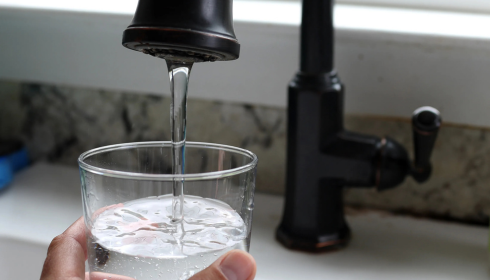
    Walk into any kitchen, pour a glass of water from the tap, and you’d like to think it’s safe. Clear, cold, refreshing—what more could you ask for? Yet in recent years, unsettling reports have surfaced about chemicals lurking invisibly in that same glass. PFAS, often dubbed “forever chemicals,” have become a household concern for many families. If you’ve found yourself Googling ways to make sure your water is clean, you’re not alone. The conversation about these chemicals isn’t just happening in science journals anymore; it’s being discussed around dinner tables, neighborhood meetings, and even school drop-off lines.


    What Are PFAS, and Why the Buzz?

    PFAS stands for per- and polyfluoroalkyl substances. If that sounds like chemistry class flashbacks, don’t worry—you’re not expected to memorize the tongue-twisting names. What matters is this: they’re man-made chemicals that resist breaking down. That means once they’re created and released, they linger. In water, in soil, in wildlife, and yes—inside human bodies.

    These chemicals were initially celebrated for their magical ability to repel water and grease. Think non-stick pans, water-resistant jackets, stain-proof carpets. Handy, right? The problem is they don’t stay neatly tucked away in those products. Over time, PFAS seep into groundwater and, inevitably, our taps.


    The Health Risks That Make People Nervous

    Here’s the kicker: PFAS don’t just pass through the body like excess vitamins or minerals. They build up. Studies suggest potential links to thyroid issues, certain cancers, developmental delays in children, and weakened immune systems. That’s heavy stuff, and it’s exactly why awareness has exploded in recent years.

    Nobody wants to serve their kid a glass of water with an invisible chemical cocktail inside. And yet, for millions of households, that’s the current reality. Which brings us to the big question: how do you tackle it?


    Filters to the Rescue (But Not All Are Equal)

    When you walk down the aisle at a home improvement store, the shelves are lined with water filters. Pitchers, under-sink units, fridge filters, whole-house systems. They all promise cleaner water, but here’s where it gets tricky: not every filter is designed to catch PFAS.

    A basic carbon pitcher filter might reduce chlorine taste, sure, but it’s often useless against tougher contaminants. If PFAS are your concern, you need a system specifically rated to deal with them. Many households are now searching for a pfoa and pfas water filter because general-purpose filters simply don’t cut it. It’s like using a flimsy umbrella in a storm—it works for a drizzle, but you’ll be soaked when it really matters.


    Technologies That Actually Work

    So, which technologies stand up to the challenge? The two big players are:

    • Activated Carbon (Granular or Block): These filters are highly porous, meaning they can trap a wide variety of contaminants. They’re particularly good at reducing longer-chain PFAS compounds.
    • Reverse Osmosis (RO): This system forces water through a semi-permeable membrane, leaving contaminants behind. RO tends to be more effective for smaller-chain PFAS that carbon sometimes misses.

    Some of the most effective systems combine both methods—carbon to catch one type, RO to block the other. It’s a layered defense strategy, not unlike having both a lock and an alarm system on your home.


    Choosing the Right Option for Your Family

    The decision often comes down to your household’s needs. A large family with multiple bathrooms might lean toward a whole-house system. An apartment dweller might find an under-sink RO unit more practical. And of course, cost plays a role. High-quality systems aren’t cheap, but when the trade-off is your long-term health, most people find the peace of mind well worth it.

    Independent testing and certification matter too. Look for NSF or third-party verified results instead of trusting slick marketing slogans. This ensures that when a product says it reduces PFAS, it’s not just a hollow claim.

    For many consumers, the safest bet is investing in the best water filter for pfas removal rather than rolling the dice on a generic system. It’s about narrowing down to the units that have proven performance, not just promises.


    Everyday Habits That Complement Filtration

    Filtration is the big-ticket solution, but there are small habits that can help reduce overall PFAS exposure too. For example:

    • Avoid non-stick cookware unless it’s clearly PFAS-free.
    • Cut back on fast food packaging, which often contains grease-resistant PFAS coatings.
    • Skip stain-resistant sprays and waterproofing treatments unless verified safe.

    Think of these as backup moves—helpful, but not a substitute for safe water. The truth is, water is the primary pathway of exposure for most households, so filtration deserves the spotlight.


    The Emotional Side of Water Safety

    It’s not just about science. There’s an emotional weight to this conversation. Parents worry every time they pour a bottle for their toddler. College students wonder if their dorm water is safe. Grandparents reflect on decades of drinking tap water and ask, “What’s been building up inside me all these years?”

    This isn’t paranoia—it’s a reasonable concern. After all, trust in tap water has always been a fragile thing. Lead crises, boil advisories, contamination scares… communities know the sting of finding out their water isn’t as safe as they thought. PFAS are simply the latest headline in a long saga.


    Can We Eliminate PFAS Altogether?

    Short answer: not easily, not quickly. PFAS are so persistent that cleanup takes serious effort and resources. Municipal treatment plants are upgrading, but progress is slow. That’s why individual action—investing in home filtration—remains the most immediate solution.

    It’s empowering to know you can take steps today to remove pfas from drinking water even while broader infrastructure improvements lag behind. Nobody likes waiting on slow policy wheels to turn when the health of your family is at stake.


    Looking Ahead: A Future With Cleaner Water?

    The hopeful side of the story is this: awareness leads to change. Ten years ago, barely anyone outside of niche science circles had heard of PFAS. Now, companies are reformulating products, governments are tightening regulations, and consumers are demanding better safeguards. It’s not instant, but it’s progress.

    Imagine a decade from now—PFAS-free cookware as the norm, better municipal treatment systems, and families sipping water without hesitation. That’s the direction we’re heading, as long as awareness keeps growing and pressure for safer systems continues.


    Final Thoughts

    At the end of the day, water is life. We don’t just drink it; we cook with it, bathe in it, make coffee with it every morning. The presence of PFAS challenges our sense of security, but it doesn’t have to leave us helpless. Practical solutions are here, from high-quality filtration systems to mindful consumer choices.

    So, the next time you fill a glass, you’ll know the story behind those invisible “forever chemicals”—and, more importantly, the steps you can take to keep them out. Clean water isn’t just a luxury; it’s a necessity. And protecting it means protecting everything from our health to our peace of mind.

  • Why Salt Delivery Services Are Making Life Easier for Michigan Homeowners

    Why Salt Delivery Services Are Making Life Easier for Michigan Homeowners

    If you’ve ever lugged around a 40-pound bag of salt pellets, you already know why people are talking about delivery services for water softeners. It’s not glamorous work, and it’s definitely not the kind of chore anyone looks forward to. Yet, keeping a water softener running smoothly is a must for so many Michigan households. Hard water isn’t just a small inconvenience—it can affect your plumbing, appliances, skin, and even your mood when that supposedly “clean” shower leaves you feeling anything but refreshed.

    In recent years, more homeowners have discovered the sheer convenience of water softener salt delivery Michigan companies offer. Instead of running to the store, hauling bags into your trunk, and then struggling to carry them down to the basement or utility room, the salt simply shows up at your doorstep. Some services even bring it straight to the softener tank and pour it in for you. That means no mess, no strain on your back, and no forgetting to check the salt level until the water suddenly feels… well, hard again.


    The Real Impact of Hard Water

    Let’s step back for a second. If you’re new to this whole thing, you might be wondering why salt even matters. Hard water is caused by minerals like calcium and magnesium that sneak their way into your water supply. While they’re not dangerous to your health, they wreak havoc on your home. Think white crusty deposits on faucets, streaky dishes fresh out of the dishwasher, or clothes that feel scratchy after a wash.

    Worse yet, hard water quietly clogs pipes and reduces the efficiency of your water heater and appliances. Over time, that buildup costs you money. A softener, powered by salt, prevents that by essentially swapping out the hardness minerals with sodium or potassium. It’s a straightforward science, but the upkeep—mainly making sure you always have salt on hand—can feel like a nagging responsibility.


    Why Delivery Feels Like a Small Luxury

    There’s something oddly satisfying about crossing one more “errand” off the never-ending to-do list. That’s what makes salt delivery for water softener near me such a popular search term these days. It’s not just about skipping a trip to the hardware store—it’s about convenience in the truest sense.

    Delivery services allow you to set a schedule based on your household’s water usage. Light users might only need deliveries every few months, while larger families (or homes with particularly hard water) might prefer monthly refills. The beauty is, you don’t have to think about it. No more running out of salt on a Saturday morning and realizing the water already feels different. With delivery, your system stays consistent, and your life feels just a little more effortless.


    Local Companies and Personalized Service

    What’s interesting is that many of these services aren’t faceless national brands. They’re often family-owned businesses right here in Michigan, companies that have been serving the community for decades. Some even extend their services beyond salt delivery—like water testing, filter replacement, or full softener maintenance. That personal touch makes a difference.

    For example, you’ll often find services that will not only bring salt bags but also carry them to the basement, load the brine tank, and check that your softener is set correctly. That’s more than convenience—it’s peace of mind. If you’ve ever dealt with a system running low on salt, you know how quickly those hard water problems come roaring back.


    Thinking Beyond Just Salt

    What really surprises homeowners is how delivery fits into a bigger picture of home maintenance. We’ve all become used to subscriptions for groceries, cleaning supplies, or even pet food. Salt delivery fits neatly into that rhythm. It’s one less thing to worry about in a busy household, especially if you’re balancing work, family, and the everyday grind.

    There’s also a growing awareness about the type of salt being used. Some households prefer solar salt crystals, while others go with pellets or potassium chloride as an alternative. Delivery services often give you options so you can choose what’s best for your system and your family’s needs.


    Why Michigan Homes Benefit the Most

    Michigan is notorious for hard water, with many regions experiencing levels well above the national average. If you’ve lived here long enough, you’ve probably seen the telltale signs—chalky buildup on coffee makers, cloudy shower doors, or even plumbing repairs that feel suspiciously frequent. That’s why a water softener isn’t really optional for many households; it’s essential.

    And that’s where State Soft Water salt delivery has carved out a niche. Known for reliability and long-standing service, companies like these have become the go-to solution for families tired of the back-and-forth with heavy salt bags. When you combine local expertise with consistent service, it feels less like a luxury and more like smart home management.


    Wrapping It Up

    Life is busy enough without juggling heavy bags of salt every month or two. Water softeners are meant to make life easier, not pile on another chore. Delivery services are the bridge between the necessity of softened water and the desire for convenience.

    For Michigan homeowners, the choice is simple: let someone else handle the lifting, scheduling, and remembering, while you just enjoy cleaner dishes, softer laundry, and showers that actually feel refreshing. Sometimes, it’s the smallest changes—like signing up for salt delivery—that free up the most mental space. And honestly, who couldn’t use a little less hassle?

  • Why Testing Your Well Water Isn’t Optional—It’s Essential

    Why Testing Your Well Water Isn’t Optional—It’s Essential

    When you live in a home that relies on well water, there’s a unique sense of independence. No monthly city water bills, no reliance on aging municipal infrastructure—it feels like you’re in control. But here’s the catch: you’re also the one responsible for making sure that what flows out of your tap is safe, clean, and healthy. And that responsibility is bigger than most homeowners realize.

    Unlike public water systems, which are tested constantly and regulated by strict standards, private wells don’t come with a safety guarantee. The water may look crystal clear, but appearances can be deceiving. Contaminants like bacteria, nitrates, or even arsenic can lurk beneath the surface, invisible and tasteless, and cause real harm over time.

    That’s where a certified well water testing service steps in. Instead of relying on guesswork—or waiting until a health issue arises—these professionals can accurately test your water and give you peace of mind. And frankly, peace of mind is priceless when it comes to your family’s health.


    The Silent Risks Hiding Underground

    If you’ve ever walked away from your kitchen sink thinking, “That water tasted a little odd today,” you’re not alone. Many homeowners notice subtle changes—an earthy smell, a metallic taste, or cloudy water after heavy rainfall—but often chalk it up to nothing. In truth, those changes can point to something deeper.

    Groundwater is constantly shifting. Seasonal changes, agricultural runoff, and even nearby construction projects can impact what seeps into your well. And contaminants aren’t always dramatic. Some, like coliform bacteria, may not alter the taste at all but can wreak havoc on your digestive system. Others, like heavy metals, build up slowly, impacting health over years. That’s why well water quality testing is less about responding to problems and more about preventing them in the first place.


    Why DIY Test Kits Aren’t the Whole Answer

    You might’ve seen those inexpensive water test kits sold online or at hardware stores. They promise fast results and a quick diagnosis of your water’s condition. While they’re not useless, they can be misleading. At best, they provide a general snapshot—“yes, there are some contaminants” or “no, everything looks fine.” But water is complicated.

    Professional labs dig deeper. They run multiple tests on different contaminants, check for bacteria, minerals, chemicals, and even pesticide residues. More importantly, they interpret the results in a meaningful way. After all, what good is it to know your nitrate level is “8 ppm” if you don’t know what that means for your toddler’s health? With experts, you get clarity, not confusion.


    The Peace of Mind Factor

    Picture this: You invite friends over for dinner. Someone pours a glass of water from your tap, takes a sip, and comments, “Wow, your water tastes really good.” That small compliment suddenly feels enormous, because deep down you know it’s not just about taste—it’s about safety.

    When you invest in residential well water testing, you’re not just checking a box; you’re safeguarding your home, your family, and even your property’s value. Home buyers today are increasingly savvy. Many won’t move forward with a purchase unless the seller can provide recent well water test results. In other words, regular testing isn’t just a health measure—it’s a smart financial move, too.


    How Often Should You Test?

    Experts typically recommend testing your well water at least once a year for bacteria and nitrates. But if you live near farms, industrial areas, or regions with known water issues, you may need to test more often. It’s also wise to schedule testing after heavy flooding, a major storm, or if your water starts acting “off”—cloudy, smelly, or just unusual.

    Think of it like your annual health check-up. You wouldn’t ignore your own wellbeing for five years and expect perfect health. Water deserves the same proactive care.


    What Happens During Professional Testing

    The process itself is straightforward. A technician comes to your home, takes samples directly from your tap, and then delivers them to a certified lab. Within a few days, you’ll have detailed results that outline exactly what’s in your water.

    Here’s the part people often overlook: those results come with context. Professionals don’t just hand you numbers—they explain what they mean, whether your water is safe, and if not, what steps you can take to fix it. That might mean installing a filtration system, repairing your well casing, or simply retesting to monitor a trend.

    It’s not about fear—it’s about knowledge. And knowledge lets you act before problems spiral.


    Common Contaminants to Watch For

    Some of the usual suspects that pop up in testing include:

    • Coliform bacteria: Often from surface runoff or septic issues. A red flag for possible contamination.
    • Nitrates: Common in agricultural areas and particularly dangerous for infants.
    • Lead and arsenic: Heavy metals that can be toxic even in small amounts.
    • Iron and manganese: Less dangerous but can stain fixtures and affect taste.

    Each contaminant tells its own story, and only professional testing can reveal the whole picture.


    Building a Routine for Safer Living

    Here’s the bottom line: testing once isn’t enough. Water is dynamic, not static, and what’s safe today may not be safe next year. By building a routine—an annual or biannual testing schedule—you’re creating a simple but powerful habit. Over time, you’ll have a clear history of your water quality, which can help you spot changes early and respond quickly.

    If you think about it, it’s one of the simplest forms of preventative care you can do for your household. And compared to medical bills, property repairs, or the stress of not knowing, the cost is minor.


    Wrapping It Up

    Your well is more than a hole in the ground—it’s your household’s lifeline. And while it’s tempting to trust clear-looking water, safety doesn’t always show itself to the naked eye. By making regular testing part of your home maintenance, you’re taking control of your health, your family’s future, and your peace of mind.

    So, don’t wait until something smells funny, tastes metallic, or makes someone sick. A quick call to professionals today can save you a world of trouble tomorrow. Clean, safe water isn’t just a luxury—it’s a responsibility.

  • Why More Homeowners Are Turning to Reverse Osmosis for Cleaner, Safer Water

    Why More Homeowners Are Turning to Reverse Osmosis for Cleaner, Safer Water

    There’s something comforting about pouring a glass of water straight from the tap, knowing it’s clean, crisp, and safe. Yet, many people don’t trust what comes out of their faucets anymore. Between reports of chemicals, heavy metals, and “hard water” issues, it’s no wonder families are searching for reliable solutions. That’s where Reverse Osmosis Water Filter Systems quietly step into the picture.

    Unlike basic filters that simply improve taste, reverse osmosis digs deeper—removing impurities that the naked eye can’t spot and the tongue can’t always taste. It’s not about paranoia; it’s about peace of mind. After all, water is something you drink daily, cook with, and give to your kids. Why leave it to chance?


    What Exactly Is Reverse Osmosis Anyway?

    Let’s skip the jargon and make this simple. Reverse osmosis (often shortened to RO) is like giving your water a multi-stage spa treatment. It pushes tap water through a semi-permeable membrane, weeding out things like lead, arsenic, nitrates, and even microscopic bacteria.

    Think of it as the bouncer at the clean-water nightclub. Only the good guys—H2O molecules—get in. Everything else? They’re bounced back into the drain line.

    The result is water that not only tastes better but feels lighter. People who switch often notice their morning coffee tastes less bitter, pasta comes out with a smoother texture, and even ice cubes look crystal-clear.


    The Cost Question That’s Always on People’s Minds

    Of course, the moment you start looking into any water system, the first practical question is: “Alright, but how much is this going to set me back?” The truth is, the reverse osmosis filtration system cost can vary depending on the brand, capacity, and installation method.

    At the lower end, under-sink RO systems for small households might run a few hundred dollars. Larger, whole-house setups designed to serve every faucet can creep into the thousands. Then there’s maintenance—replacing filters every 6–12 months and the RO membrane every couple of years.

    Yes, it adds up. But here’s a little perspective: compare it to buying bottled water regularly. Over time, bottled water costs more, creates plastic waste, and becomes an inconvenience. So, many homeowners see RO as an upfront investment that pays them back in both money saved and health protected.


    Why Families Are Choosing RO Over Other Options

    There’s no shortage of water filtration systems on the market—carbon filters, UV purifiers, water softeners, you name it. Each has its strengths, but what makes reverse osmosis stand out is its consistency. It doesn’t just “reduce” contaminants; it removes up to 99% of them.

    For parents raising kids, this often seals the deal. They’re less concerned about the perfect mineral balance and more focused on not having lead or chlorine show up in a water test. It’s also popular among people living in areas with known water quality issues or old infrastructure.

    And then there’s the taste factor. Once you’ve had pure RO water, it’s tough to go back. It’s almost like comparing homemade bread to store-bought—both do the job, but one just feels right.


    The Best Systems for Everyday Living

    Here’s where it gets interesting: not all RO systems are created equal. Some are bulky and require a professional to install. Others are sleek enough for a DIY project. But when it comes to finding the best residential reverse osmosis filter, it’s less about fancy marketing and more about what fits your daily habits.

    For example, a small family might only need an under-sink unit that delivers a few gallons a day. A larger household with heavy water usage might look at whole-home models or high-capacity tankless systems. Then there are features like remineralization filters, which add back calcium and magnesium for taste and health.

    The “best” system is the one that balances efficiency, durability, and practicality for your home—not necessarily the priciest one on the shelf.


    Maintenance Isn’t as Scary as It Sounds

    When people hear “multi-stage filtration,” they assume it means complicated upkeep. The reality? Most RO units are designed for homeowners to handle filter changes themselves. Many have simple twist-off cartridges that take a few minutes to swap.

    The bigger thing is remembering to actually do it. Neglected filters lose efficiency and can even harbor bacteria. A simple calendar reminder every six months usually does the trick. It’s like servicing your car—regular attention keeps everything running smoothly and avoids bigger issues later.


    Environmental and Lifestyle Benefits

    Here’s a side effect many people don’t expect: adopting an RO system often changes your relationship with water overall. Once the filtered water becomes your household standard, you’re less likely to rely on disposable plastic bottles. That means less waste, less clutter, and less guilt about contributing to landfills.

    On a lifestyle note, many households report drinking more water once they switch. Why? Because it simply tastes better. No strange aftertaste, no “chlorine swimming pool” smell. Just clean, refreshing water that encourages hydration.


    Is Reverse Osmosis for Everyone?

    Not necessarily. If your area already provides high-quality, mineral-rich water, you might not feel the difference as strongly. And for those on very tight budgets, the initial cost can feel like a stretch.

    But for people with health concerns, old plumbing, or simply a desire for consistency, it’s a worthy upgrade. At the end of the day, water isn’t just another household utility—it’s the foundation of your health.


    Final Thoughts: Peace of Mind in Every Sip

    Reverse osmosis isn’t some flashy tech trend. It’s a quiet, dependable solution that’s been around for decades. The reason it continues to grow in popularity is simple: it works.

    From the busy mom filling sippy cups, to the couple brewing coffee each morning, to the fitness enthusiast mixing protein shakes—everyone benefits from knowing the water they’re using is as pure as possible.

    Clean water doesn’t solve every problem in life, but it’s a solid start. And in a world where so much feels uncertain, having confidence in something as simple and vital as your daily glass of water is more than worth it.

  • Clean Water at Home: Why Treatment Systems Are More Than Just a Luxury

    Clean Water at Home: Why Treatment Systems Are More Than Just a Luxury

    There’s something so simple yet powerful about turning on a tap and knowing the water that flows out is safe, clean, and refreshing. For many households, that little luxury isn’t always guaranteed. Tap water can carry more than just H₂O—it may bring along minerals, chlorine, heavy metals, or even invisible contaminants. And while some folks shrug and say, “It tastes fine to me,” others have learned the hard way that water quality matters for health, appliances, and even everyday comfort.

    That’s where residential water treatment systems step in. They’re not just gadgets for the overly cautious or wellness-obsessed. They’re practical investments that can change the way a household runs, from smoother laundry to better-tasting coffee. And honestly, once you’ve lived with clean, conditioned water, it’s tough to go back.


    The Daily Ripple Effect of Water Quality

    Think about it: water isn’t just for drinking. It’s in your morning shower, the pasta boiling on the stove, the ice cubes clinking in your glass, and the soap you use to wash your hands. When the water’s off—too hard, too metallic, too chlorinated—you feel it everywhere.

    Hard water, for example, is a quiet saboteur. It leaves behind mineral deposits that cling to showerheads, stain glassware, and shorten the life of your water heater. Chlorine, while great for keeping municipal supplies safe, can leave your skin dry and hair dull. And let’s not even talk about lead or other contaminants sometimes found in older plumbing systems.

    A proper treatment system doesn’t just filter—it adapts water for the way you live. And that ripple effect adds up in ways you might not expect.


    More Than Filters: Finding the Right Match

    When people first hear about water treatment, they imagine a simple filter that clips onto a faucet. That’s one option, sure, but the world of water systems is far more varied. There are whole-house filters, reverse osmosis systems, UV purifiers, and softeners—each designed to tackle different challenges.

    If you’ve ever googled the phrase best water system for home, you’ll know it’s not a one-size-fits-all answer. For some households, a carbon filter that reduces chlorine taste is enough. For others, only a full reverse osmosis setup can deliver peace of mind. The “best” system is the one that aligns with your water source, your needs, and even your lifestyle.


    The Case for Softening Hard Water

    Now, let’s pause on softeners, because they deserve their own spotlight. Hard water is one of the most common household annoyances, yet so many people just tolerate it. That chalky buildup on your kettle? Hard water. The way your towels feel scratchy after washing? Hard water. The higher energy bill because your appliances are working overtime against scale buildup? You guessed it.

    A home water softener installation can quietly transform day-to-day living. Suddenly, soap lathers better, showers feel silkier, and your dishwasher stops leaving streaks on glasses. Appliances last longer, too, which means the system often pays for itself over time. It’s not about vanity—it’s about practicality.


    Health, Taste, and Peace of Mind

    Of course, water treatment isn’t just about protecting pipes and appliances. It’s also about what you put in your body. Families with small children or elderly relatives often feel more at ease knowing harmful contaminants are reduced or eliminated. Even something as simple as improving taste makes a real difference. If your water actually tastes good, you’re more likely to drink it, which is a sneaky way of boosting overall hydration.

    And hydration, as any doctor will tell you, is the unsung hero of good health. It supports energy, skin, digestion—you name it. So in a roundabout way, investing in your water can be like investing in yourself.


    The Overlooked Cost of Doing Nothing

    There’s a funny thing about water problems: they rarely announce themselves with fireworks. Instead, they creep in quietly. The dishwasher breaks a few years earlier than it should. Your utility bill inches higher. You spend more money on bottled water because you can’t stand the taste at home. All of it adds up—slowly, silently.

    When you actually sit down and calculate it, the cost of ignoring water issues often outweighs the cost of solving them. A system may feel like a big upfront investment, but long-term savings (and reduced stress) are hard to argue with.


    Choosing and Installing Without the Headache

    Now, let’s be honest—researching and buying a water system can feel overwhelming. There are dozens of models, technical jargon, and sales pitches that make your head spin. That’s why the smartest move is usually to test your water first. Many local companies offer free or inexpensive testing that gives you a clear picture of what’s really in your supply.

    From there, it becomes a matter of matching the system to the problem. And installation? That’s best left to professionals. A poorly installed system won’t just underperform—it can actually create plumbing headaches. Professional installers not only get it right the first time, they’ll usually explain how to maintain the system so you’re not left scratching your head six months later.


    The Subtle Joy of Better Water

    Here’s the thing: most people don’t realize how much water quality affects their lives until they fix it. Showers feel better. Coffee tastes richer. Your skin feels softer. Even guests may notice, “Wow, the water here tastes great.” It’s like tuning a guitar—you don’t notice how off it was until it’s finally in harmony.

    And in a world where so many things feel out of our control, there’s something grounding about knowing the water in your home is clean, reliable, and tailored to your needs.


    Final Thoughts: An Everyday Upgrade That Lasts

    At the end of the day, water is one of those essentials we tend to overlook until there’s a problem. But why wait? Whether it’s filtering out unwanted contaminants, softening hard water, or simply improving taste, the right system makes a noticeable difference.

    For some, that means a straightforward filter under the sink. For others, it’s a full-house upgrade that transforms the way the entire family experiences water. The beauty of today’s options is flexibility—you don’t have to settle for water that doesn’t serve you well.

    Investing in treatment isn’t flashy. It won’t show up on Instagram or impress the neighbors. But every time you take a sip, run a load of laundry, or step into the shower, you’ll feel it. And that, in the long run, is what makes it worthwhile.