Finding the Right Water Solution for Homes and Businesses
Water is easy to overlook when everything is working as it should. The tap turns on, the shower runs, the coffee maker fills, and nobody gives it much thought. But once water quality starts affecting taste, equipment, or daily operations, it becomes clear just how important a dependable water supply really is.
For homes and businesses, choosing the right treatment system isn’t simply about buying a filter and calling it done. Water sources differ, usage varies, and the problems found in one property may be completely different from those in another. A thoughtful approach can make treatment more effective, affordable, and easier to maintain over time.
Water Quality Starts With Knowing the Source
Before selecting equipment, it’s worth understanding where the water comes from. Municipal water and private well water can have very different characteristics. Even two homes connected to the same public supply may experience differences because of plumbing, building age, or local conditions.
Water testing can identify concerns such as hardness, sediment, chlorine, pH, dissolved minerals, and other characteristics. The results provide a much clearer picture than simply judging water by its appearance.
After all, clear water isn’t automatically problem-free. Some substances can’t be seen, smelled, or tasted. Testing gives homeowners and businesses something far more useful than guesswork.
Commercial Properties Have Different Demands
A busy restaurant, hotel, office, or manufacturing facility may use considerably more water than an average household. It may also depend on consistent water quality for specific equipment or daily processes.
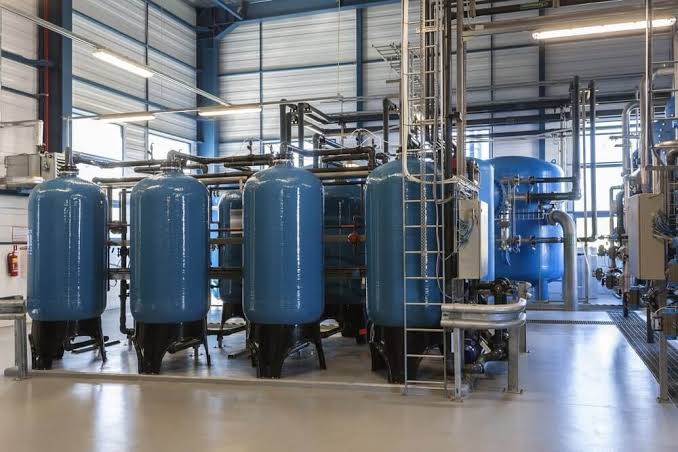
This is where commercial water solutions become particularly important. Commercial treatment systems can be designed around factors such as water volume, peak demand, available space, equipment requirements, and the specific characteristics of the incoming water.
For example, a restaurant may care about water quality for cooking, beverages, ice machines, dishwashers, and cleaning. A manufacturing facility could have much more specialized requirements.
The point is that commercial treatment shouldn’t be treated like an oversized residential system. It needs to be designed around how the business actually operates.
Why Water Quality Affects Everyday Operations
Water quality can have an impact far beyond drinking. Hard water, for example, can cause mineral scale inside water heaters, boilers, dishwashers, coffee machines, and other equipment.
Over time, that buildup may affect efficiency and increase maintenance requirements. Businesses can feel the impact particularly strongly because equipment downtime can interrupt operations and create unexpected expenses.
Even in a home, the effects add up. A water heater working against heavy mineral buildup may not perform as efficiently as expected, while faucets and showerheads may develop stubborn deposits.
Improving quality water isn’t necessarily about making water “perfect.” It’s about addressing the characteristics that are causing practical problems and bringing the water closer to what the property actually needs.
Choosing Between Filtration and Other Treatment Methods
Not every water problem calls for the same technology. Sediment filtration, carbon filtration, softening, reverse osmosis, ultraviolet treatment, and other methods each have different purposes.
Sediment filters can help capture particles such as sand and rust. Carbon filtration is commonly used to improve taste and reduce chlorine. Water softeners address hardness, while reverse osmosis can reduce many dissolved substances.
Choosing the right method requires some thought. A system that works wonderfully for one water condition may accomplish very little for another.
That’s why a water test should generally come before a major equipment purchase. It helps narrow down the options and prevents people from spending money on treatment they don’t actually need.
The Value of High-Quality Equipment
Once the treatment requirements are understood, equipment quality becomes the next consideration. A low-cost system might seem attractive at first, but purchase price isn’t the whole story.
Look at filter availability, replacement costs, maintenance requirements, expected service life, installation quality, and warranty coverage. A system that costs slightly more upfront may provide better value if it lasts longer and is easier to maintain.
Reliable high-quality water systems are also designed with consistent performance in mind. That’s particularly important for commercial properties, where a sudden drop in water quality or system failure can affect employees, customers, and daily operations.
Still, high quality doesn’t mean buying the most complicated equipment available. The best system is one that fits the application and performs its intended job reliably.
Maintenance Is Where Many Systems Fall Short
Even excellent treatment equipment needs routine care. Filters become saturated, softener components require attention, and membranes eventually need replacement.
It’s easy to forget about maintenance because treatment systems often sit quietly in a basement, utility room, or mechanical area. Out of sight, out of mind, as they say.
But neglecting maintenance can reduce performance and may shorten the life of the equipment. Businesses should consider scheduled servicing, while homeowners can keep a simple record of filter changes and other routine tasks.
Pay attention to changes, too. A sudden difference in water taste, pressure, odor, or appearance can be a useful warning that something needs checking.
Think About Long-Term Costs
Water treatment should be evaluated as a long-term investment rather than a one-time purchase. Installation is only the beginning.
Consider electricity or water usage, replacement filters, salt if a softener is involved, service calls, repairs, and eventual equipment replacement. These ongoing costs can make a significant difference over several years.
It’s also worth asking whether the system can be expanded or adjusted if water demand changes. A growing business may need more capacity in the future, while a family may eventually remodel or add another bathroom.
Thinking ahead can prevent another major purchase a few years down the road.
Better Water Begins With the Right Questions
Choosing a water treatment system doesn’t have to feel overwhelming. Start by asking simple questions: What is actually in the water? What problems are we trying to solve? How much water does the property use? What equipment needs protection? And how much maintenance are we realistically prepared to handle?
The answers will usually point toward a much clearer solution.
Whether you’re managing a busy commercial property or simply trying to improve water at home, the goal remains the same: dependable water that works for the people and equipment relying on it.
A well-designed treatment system won’t necessarily be something you notice every day. And that’s a good thing. It should quietly do its job, protect what matters, and give you one less household or business problem to worry about.