Category: Home services

  • Practical Water Treatment Solutions for Homes, Businesses, and Everyday Challenges

    Practical Water Treatment Solutions for Homes, Businesses, and Everyday Challenges

    Water is one of those things people often take for granted—until something goes wrong. A strange taste in the glass, cloudy water in the sink, stubborn scale around the taps, or an unpleasant smell can quickly turn an ordinary household task into a daily frustration. For businesses, poor water quality can create even bigger problems, affecting equipment, operations, customer satisfaction, and long-term maintenance costs.

    The good news is that water problems are rarely impossible to manage. With the right testing, equipment, and professional guidance, property owners can choose a treatment approach that matches their actual needs. Whether the goal is cleaner drinking water, better-performing appliances, or reliable water for commercial operations, understanding the available options is the first step.

    Understanding the Water Problems Around You

    Water quality can vary considerably depending on the source, local geology, plumbing infrastructure, and treatment processes already in place. Municipal water may contain disinfectants such as chlorine, while private wells can have elevated levels of iron, manganese, sediment, bacteria, or sulfur compounds. Even water that looks clear may contain dissolved contaminants that cannot be detected by sight alone.

    Hard water is another common concern. It contains minerals such as calcium and magnesium, which can leave white deposits on fixtures, reduce soap efficiency, and create scale inside water heaters, dishwashers, and pipes. Over time, that buildup may reduce efficiency and increase repair expenses.

    Other issues may include unpleasant odors, metallic tastes, discoloration, or contaminants such as nitrates, PFAS, and certain heavy metals. Since each issue requires a different treatment method, guessing can lead to wasted money. A proper water test helps identify what is actually present before equipment is selected.

    Choosing Solutions Based on the Source

    A good water treatment system should be designed around the water source and the property’s daily usage. A small home with municipal water may need a whole-house filter, a softener, or a drinking-water reverse osmosis system. A rural property using well water may require sediment filtration, iron removal, disinfection, or a combination of technologies.

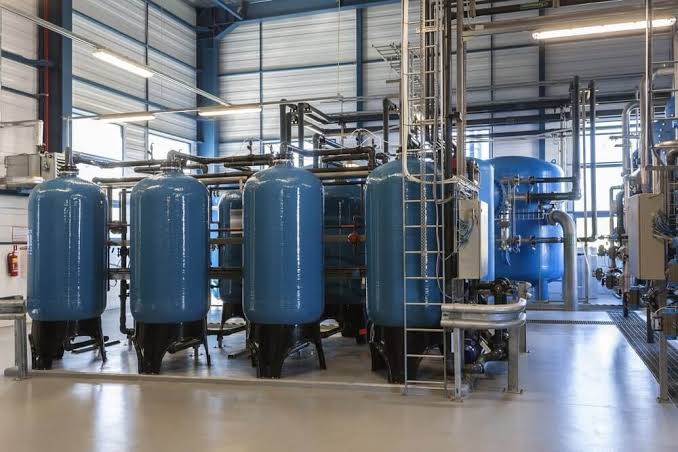
    For larger properties, the requirements can be more complex. Offices, restaurants, hotels, schools, agricultural facilities, and manufacturing sites may need systems that handle higher flow rates and operate consistently throughout the day. This is where business & commercial solutions become especially important. Commercial systems must be selected not only for water quality, but also for capacity, reliability, maintenance schedules, and compliance with applicable standards.

    A system that works well in a private kitchen may not be suitable for a restaurant or industrial facility. Commercial water demands can change throughout the day, and equipment must be able to handle peak usage without creating pressure drops or inconsistent treatment results.

    Common Water Treatment Technologies

    There is no single machine that solves every water issue. Different technologies target different contaminants and conditions.

    Sediment Filtration

    Sediment filters remove physical particles such as sand, dirt, silt, and rust. They are often used as a first stage of treatment to protect other equipment. Depending on the water source, sediment filtration may be especially useful for well systems or properties with aging plumbing.

    Water Softeners

    Water softeners reduce hardness minerals through an ion-exchange process. They can help prevent scale formation, improve soap performance, and protect water-using appliances. However, softeners are not designed to remove every contaminant, so they are usually part of a broader treatment plan rather than a complete solution.

    Carbon Filtration

    Activated carbon filters are commonly used to reduce chlorine, certain organic compounds, and unpleasant tastes or odors. They can improve the sensory quality of water and are often installed at the point of use or as part of a whole-home system.

    Reverse Osmosis

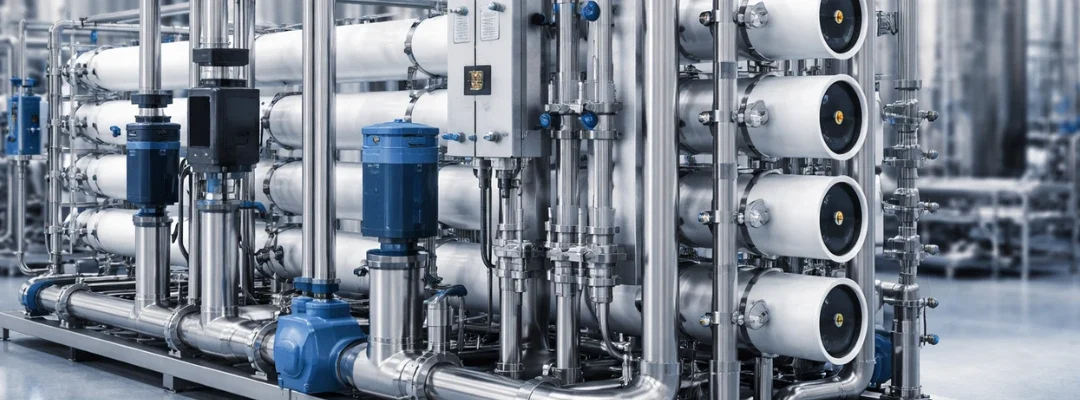
    Reverse osmosis systems use a semipermeable membrane to reduce many dissolved substances. They are often installed under a kitchen sink for drinking and cooking water, although larger systems can serve commercial or whole-property applications. Reverse osmosis typically requires pre-filtration and regular maintenance to perform properly.

    UV Disinfection

    Ultraviolet systems use UV light to inactivate many microorganisms. They are often considered for private wells or other water sources where microbial contamination is a concern. UV treatment does not remove sediment, hardness, or dissolved chemicals, so it may need to be combined with other equipment.

    When Standard Equipment Is Not Enough

    Some water conditions require more specialized planning. High levels of iron, manganese, sulfur, tannins, or other difficult contaminants may cause staining, odors, or treatment challenges. In these cases, a basic filter purchased without testing may not solve the problem.

    Specialized problem water solutions are designed for water that has characteristics beyond ordinary hardness or chlorine taste. Depending on the test results, treatment may involve oxidation and filtration, specialized media, chemical-free iron removal, aeration, sulfur treatment, or advanced contaminant reduction.

    The key is to avoid treating symptoms without understanding the cause. For example, a sulfur smell may come from hydrogen sulfide, bacterial activity, or a reaction involving a water heater. The correct solution depends on where the odor originates and what the water analysis reveals.

    Maintenance Is Part of the System

    Even a high-quality treatment system needs attention. Filters must be replaced, softeners require salt or regeneration management, reverse osmosis membranes need periodic inspection, and UV lamps must be changed according to manufacturer recommendations. Neglecting maintenance can reduce performance and may allow the system to become less effective over time.

    Property owners should also understand which components are consumable and which may eventually need servicing. Keeping a simple maintenance calendar can prevent small tasks from becoming expensive problems.

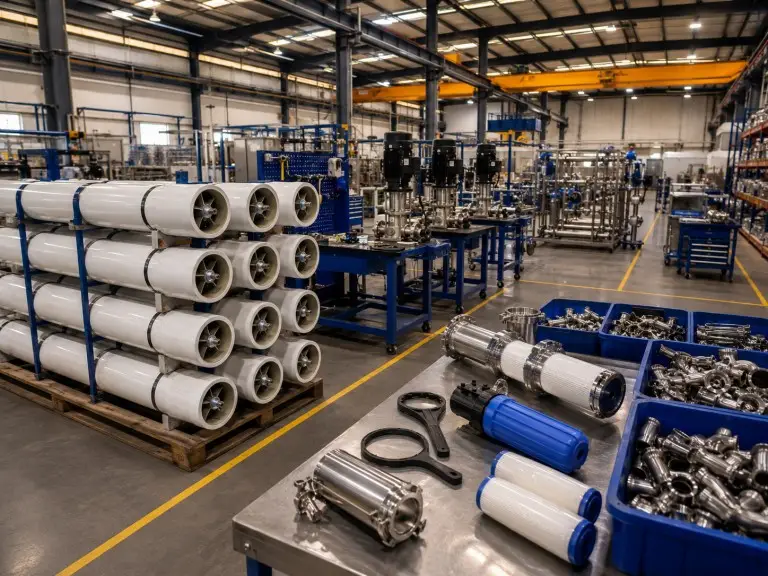
    Having access to the right replacement parts & accessories makes ongoing care much easier. Items such as filter cartridges, membranes, O-rings, housings, valves, fittings, tubing, and testing supplies may be necessary to keep a system operating correctly. Using compatible, quality parts is important because an incorrect component can cause leaks, poor filtration, or premature equipment failure.

    Why Professional Guidance Matters

    Water treatment is not simply about buying a machine and connecting it to a pipe. Flow rate, pressure, water chemistry, plumbing layout, household size, commercial demand, and maintenance expectations all influence the right choice.

    A professional water treatment provider can evaluate test results, explain the available technologies, and recommend a system that fits the property. They can also help determine whether treatment should occur at the point of entry, at a specific faucet, or through a combination of systems.

    For businesses, professional planning is particularly valuable because water treatment problems can interrupt operations. A restaurant may depend on consistent water quality for food preparation and cleaning. A hotel may need to protect laundry equipment and guest amenities. A farm may require dependable water for livestock, irrigation, or processing. The treatment strategy should reflect the practical demands of the site.

    Making a Sensible Long-Term Investment

    The cheapest system is not always the most economical choice. A low-cost unit may have limited capacity, expensive replacement filters, difficult-to-find parts, or poor support. On the other hand, an oversized system can create unnecessary installation and operating costs.

    A better approach is to compare the total cost of ownership. Consider the initial purchase price, installation, energy or salt usage, filter replacement, service requirements, expected lifespan, and warranty coverage. A system that costs slightly more upfront may provide better value if it performs reliably and is easy to maintain.

    Water treatment should also be viewed as a long-term investment in comfort, equipment protection, and operational reliability. Clean, properly treated water supports everyday routines and helps reduce avoidable wear on plumbing and appliances.

    Final Thoughts

    Every water problem has its own story, and the right treatment solution begins by understanding that story. Testing the water, identifying the source of the issue, and choosing equipment based on actual needs can prevent unnecessary expense and disappointment.

    From household filtration and softening to advanced commercial systems and specialized treatment for difficult conditions, modern water treatment offers practical ways to improve water quality. With professional advice, suitable equipment, and regular maintenance, property owners can enjoy more dependable water and greater peace of mind for years to come.


  • Protecting Your Home from Gas Leaks and Sewer Problems

    Protecting Your Home from Gas Leaks and Sewer Problems

    Most homeowners think about plumbing only when something stops working. A drain begins to gurgle, the bathroom smells unusual, or an appliance suddenly refuses to perform properly. Until then, the pipes and connections hidden behind walls and beneath the ground remain almost invisible. Yet these systems play a major role in keeping a home comfortable, functional, and safe.

    Gas lines and sewer pipes deserve particular attention because problems in either system can quickly become disruptive. A sewer blockage may affect several fixtures at once, while a gas-related issue can create a serious safety hazard. Understanding the warning signs, practicing basic prevention, and choosing the right professionals can help homeowners avoid unnecessary stress and costly damage.

    Why Gas and Sewer Systems Need Regular Attention

    Gas and sewer systems are built to last, but no plumbing infrastructure remains perfect forever. Age, corrosion, soil movement, tree roots, poor installation, and everyday use can gradually weaken pipes and connections. In some cases, the problem develops slowly. In others, a small defect becomes noticeable only when the system is under pressure.

    Routine attention makes it easier to identify early warning signs. It also gives homeowners a chance to correct minor issues before they turn into emergencies. A professional inspection may reveal a damaged pipe, loose fitting, or developing blockage that would otherwise remain hidden.

    Preventive maintenance is especially important in older properties. Homes built several decades ago may still have outdated pipe materials or connections that are more vulnerable to corrosion and deterioration. Even newer homes can experience problems if construction work, landscaping, or accidental damage affects underground lines.

    Recognizing the Warning Signs of Gas Leaks

    Gas appliances are common in many households, including stoves, water heaters, furnaces, dryers, and fireplaces. When the system is installed correctly and maintained properly, it can provide reliable service for years. However, homeowners should never ignore possible gas leaks.

    Natural gas is commonly treated with an odorant that produces a rotten-egg smell, making leaks easier to notice. Other warning signs may include a hissing sound near a gas pipe, dead vegetation close to an underground line, unusual appliance behavior, or unexplained increases in gas consumption. Physical symptoms such as dizziness, nausea, headache, or light-headedness may also occur when someone is exposed to gas or poor ventilation, although these symptoms can have many other causes.

    If you smell gas or strongly suspect a leak, leave the property immediately. Avoid turning electrical switches on or off, using mobile phones inside the affected area, lighting matches, or operating appliances. Once you are safely away, contact the local gas utility or emergency services. Never attempt to locate or repair a gas leak yourself.

    A qualified technician can test the system, identify the source, and determine whether a connection, appliance connector, valve, or section of pipe needs repair or replacement.

    What Causes Sewer Backups?

    Sewer systems are designed to move wastewater away from the home without interruption. When something blocks or damages the line, wastewater may begin moving slowly or return through drains and toilets. This is known as a sewer backup, and it can create unpleasant odors, water damage, and potential sanitation concerns.

    One common cause is the buildup of grease, food particles, and unsuitable materials. Pouring cooking oil down the sink may seem harmless when it is liquid, but grease can cool and harden inside the pipe. Flushing paper towels, wet wipes, feminine hygiene products, or other non-degradable items can also create blockages.

    Tree roots are another major concern. Roots naturally seek moisture and may enter small cracks or loose joints in underground sewer pipes. Over time, they can grow inside the line and restrict wastewater flow. Older pipes made from clay, cast iron, or other aging materials may be particularly vulnerable.

    Other causes include collapsed pipes, soil movement, corrosion, poor installation, and heavy rainfall that overwhelms municipal systems. If several drains become slow at the same time, the issue may be located in the main sewer line rather than in a single household fixture.

    How to Respond to Sewer Problems

    Early signs of a sewer issue may include repeated drain clogs, gurgling toilets, foul smells, water pooling around cleanouts, or wastewater appearing in showers and floor drains. These symptoms should not be ignored, especially when they keep returning after basic plunging or drain cleaning.

    When sewer backups occur, avoid using sinks, toilets, washing machines, and dishwashers until the cause is understood. Continuing to send water into the system may make the overflow worse. Keep children and pets away from contaminated water, and avoid direct contact whenever possible.

    A professional plumber can inspect the line using a sewer camera. This method provides a clearer view of the pipe’s interior and can help identify roots, cracks, blockages, offsets, or collapsed sections. A camera inspection is often more useful than repeatedly treating the symptoms because it helps determine what is actually happening underground.

    Depending on the condition of the pipe, the recommended solution may involve mechanical cleaning, hydro jetting, spot repair, or full replacement. The right approach depends on the severity and location of the problem.

    Choosing Professional Gas and Sewer Services

    Homeowners often search for gas and sewer line services when a problem has already become urgent. However, professional assistance can also be valuable for preventive inspections, property purchases, remodeling projects, and older homes.

    When selecting a contractor, look for proper licensing, relevant experience, insurance coverage, and clear communication. Gas-related work should always be handled by technicians qualified to work on gas systems. Ask whether the company performs pressure testing, safety checks, camera inspections, and written assessments.

    A reliable professional should explain the problem in plain language rather than using technical terms to pressure you into a quick decision. If replacement is recommended, ask why repair or cleaning would not be sufficient. Request a written estimate that explains labor, materials, permits, testing, cleanup, and any restoration work.

    It is also wise to be cautious of unusually low quotes that leave out important services. A cheap repair may not remain cheap if the underlying issue is ignored or the work is performed with unsuitable materials.

    Simple Habits That Prevent Plumbing Damage

    Everyday habits can reduce the risk of sewer trouble. Never pour grease or cooking oil into a drain. Use strainers in sinks and showers to catch food particles and hair. Flush only toilet paper and human waste. Even products labeled flushable can cause problems in some sewer systems.

    Keep trees and large shrubs away from underground sewer routes when planning landscaping. Before digging, confirm the location of buried utility lines. If your home has a cleanout, keep it accessible so professionals can reach the system quickly during an emergency.

    For gas appliances, maintain proper ventilation and follow the manufacturer’s service recommendations. Do not modify gas connections or install appliances without qualified assistance. If an appliance flame looks unusual, produces soot, or behaves differently, arrange for an inspection.

    A Safer Home Begins with Awareness

    Gas and sewer systems may be hidden from view, but they should never be forgotten. Paying attention to unusual smells, slow drains, repeated blockages, and changes in appliance performance can help homeowners act before a minor issue becomes a major one.

    Gas concerns require immediate caution, while sewer problems call for accurate diagnosis rather than repeated temporary fixes. With regular inspections, responsible household habits, and qualified professional support, homeowners can protect their property and reduce the risk of disruptive emergencies.

    A little awareness goes a long way. When the systems beneath and inside a home receive the care they need, everyday life becomes safer, cleaner, and much easier to manage.

  • How a Well-Designed Workplace Can Change the Way People Work

    How a Well-Designed Workplace Can Change the Way People Work

    A workplace can look perfectly fine and still make work harder than it needs to be.

    Maybe the meeting room is always too cold. The lights leave annoying reflections on computer screens. Employees have to hunt for an available power socket every afternoon. There’s a printer tucked into a corner that nobody can reach without interrupting someone else. None of these things seem like major problems on their own, but put them together and they create friction throughout the day.

    People notice these details, even when they don’t talk about them.

    A well-designed office isn’t necessarily the most expensive or fashionable one. It’s a space that supports the people using it. When furniture, lighting, technology, ventilation, electrical infrastructure and layout work together, employees can focus more easily and spend less time dealing with avoidable annoyances.

    That can go a surprisingly long way toward creating a productive work environment.

    Start With How People Actually Work

    One of the easiest mistakes in workplace design is starting with furniture instead of people.

    Before buying desks or rearranging rooms, think about what employees actually do during a normal day. Do they spend hours at computers? Do teams collaborate frequently? Are there regular client meetings? Do employees need quiet areas for concentrated work?

    Different activities need different environments.

    Someone preparing a detailed financial report may need a quiet desk and comfortable lighting. A creative team might benefit from an open area where ideas can be discussed quickly. Managers may need private spaces for confidential conversations.

    There isn’t a single perfect office layout. The best one reflects the work being done.

    Lighting Has More Influence Than You Might Expect

    People tend to notice poor lighting quickly, even if they don’t know exactly why a room feels uncomfortable.

    Harsh overhead lights can create glare on screens. Dim areas can make reading difficult. Uneven illumination may leave some parts of an office feeling gloomy while others are excessively bright.

    Natural daylight is valuable where available, but artificial lighting still needs to be considered carefully.

    Layered lighting can help. General ceiling illumination can be combined with task lighting at desks and softer fixtures in breakout spaces. Adjustable controls allow employees to make small changes rather than forcing everyone to work under exactly the same conditions.

    It’s a simple thing, really: people spend a large portion of their day looking at things. Giving them comfortable light makes sense.

    Technology Has Changed the Office

    The modern workplace relies on technology in ways that would have seemed excessive not so long ago.

    Laptops, monitors, video-conferencing equipment, wireless access points, printers, charging stations and smart devices all need dependable infrastructure.

    These modern demands mean office planning can’t stop at desks and chairs. Power outlets need to be accessible. Cables need to be managed safely. Network equipment needs suitable locations. Meeting rooms need enough connectivity to support presentations and video calls without someone scrambling for an adapter five minutes before a meeting.

    And technology keeps changing.

    An office designed today should have enough flexibility to accommodate new equipment tomorrow. Nobody wants to redesign an entire workspace every time the company upgrades its technology.

    Comfortable Temperature Matters Too

    It is difficult to concentrate when you’re freezing.

    It’s equally difficult when the room feels like a greenhouse.

    Temperature comfort varies from person to person, which makes workplace climate control a surprisingly tricky issue. Good ventilation and appropriate heating and cooling can help create a more consistent environment.

    Air quality matters as well. A stuffy meeting room can make a long meeting feel even longer.

    Rather than focusing solely on temperature settings, businesses should consider ventilation, occupancy, room size and how different areas are used.

    A busy conference room may need much more ventilation than a small office occupied by one person. Simple planning can make a noticeable difference.

    Ergonomics Isn’t Just About Expensive Chairs

    A good office chair is useful, but ergonomics involves much more than the chair itself.

    Desk height, monitor position, keyboard placement, lighting and opportunities to change position throughout the day all matter.

    Employees who spend hours at computers should be able to position screens comfortably and keep frequently used items within easy reach.

    Standing desks can provide another option, but they’re not a magical solution. The real goal is flexibility. People should be able to adjust their workstation to suit their bodies and tasks.

    Even small changes—raising a monitor, moving a keyboard or adjusting a chair—can make a workstation feel considerably better.

    Storage Can Quietly Improve a Workplace

    Clutter has a way of spreading.

    One stack of documents becomes three. A spare monitor gets left beside the printer. Boxes sit in a corner because nobody knows where else to put them.

    Good storage prevents these small problems from taking over.

    Shelving, filing systems, cupboards and personal storage should be planned around actual needs. Frequently used materials should be easy to access, while rarely needed items can be stored elsewhere.

    The aim isn’t to create an office that looks empty. It’s to create one where people can find what they need without constantly working around piles of stuff.

    Meeting Spaces Need Flexibility

    Not every meeting deserves a large conference room.

    Sometimes two people need ten minutes to discuss something. Other times, an entire department needs space for a presentation.

    Creating different meeting environments can make better use of office space. Small meeting rooms, informal seating areas and larger conference rooms each serve different purposes.

    Technology should be considered here too. Screens, cameras, microphones and power outlets should be positioned sensibly.

    A meeting shouldn’t begin with five people crawling under a table looking for a compatible cable. We’ve all seen it. It’s not exactly the picture of efficiency.

    Don’t Ignore Safety

    Workplace design should always include basic safety considerations.

    Electrical equipment needs to be installed and maintained properly. Cables should be managed so they don’t create trip hazards. Emergency exits should remain clear. Lighting should be adequate in corridors, stairways and other circulation areas.

    Employees should also have a simple way to report hazards.

    A loose socket or damaged cable might look minor, but delaying repairs can allow a small issue to become a serious one. Preventive maintenance is usually less disruptive than emergency repair.

    Make the Space Work for Different People

    Employees aren’t identical.

    Some people concentrate best in silence. Others work well with a little background activity. Some prefer bright spaces, while others find softer lighting more comfortable.

    A flexible workplace can accommodate at least some of these differences.

    Quiet zones, collaborative areas, adjustable lighting and different seating options can give employees more control over how they work.

    This doesn’t mean every employee needs a personalised office. It simply means the workplace shouldn’t assume that one environment suits everybody.

    Good Design Should Support the Whole Business

    A workplace has to do more than look attractive.

    It needs to support employees, visitors, equipment, communication and day-to-day operations. It should also be practical to maintain.

    That means thinking about the overall functionality of the space rather than focusing on individual features in isolation.

    A beautiful reception area doesn’t help much if visitors can’t find the meeting rooms. An impressive open-plan office isn’t particularly useful if there are nowhere quiet to concentrate. Fancy technology isn’t an advantage if employees can’t use it without assistance.

    Everything should connect.

    Think Beyond the Current Layout

    Businesses change. Teams grow, departments move, technology gets upgraded and working patterns evolve.

    A workplace designed with some flexibility can adapt much more easily.

    Movable furniture, accessible power points, modular meeting areas and adaptable lighting can make future changes less painful. You don’t need to predict exactly what the office will look like five years from now. Just avoid designing it so rigidly that every change becomes expensive.

    That’s a useful principle for almost any workplace project.

    The Best Office Is the One People Can Work In

    A good workplace doesn’t have to be flashy.

    It needs comfortable lighting, sensible temperature control, reliable technology, practical storage, safe electrical infrastructure and spaces that match the way people actually work.

    Most importantly, it should remove unnecessary friction.

    When employees aren’t fighting glare, hunting for outlets, squeezing around furniture or struggling with unreliable equipment, they have more attention available for the work itself.

    That’s ultimately what thoughtful workplace design is about. Not creating a perfect office, because there really isn’t one. It’s about creating a space that quietly helps people do their jobs a little better—and makes the working day feel just a bit easier.

  • Choosing the Right RO System: Capacity, Space, and Energy Matter

    Choosing the Right RO System: Capacity, Space, and Energy Matter

    Clean drinking water is one of those things we tend to take for granted—until the taste changes, the kettle starts collecting scale, or the water report raises a few uncomfortable questions. For many homes, offices, restaurants, and commercial facilities, reverse osmosis has become a practical way to improve water quality.

    But choosing an RO system isn’t simply about finding the biggest purifier or buying whatever model happens to be on sale. Water requirements differ. So do available space, daily consumption, source-water quality, and running costs. A system that works beautifully for a small family may be completely unsuitable for a busy commercial facility.

    The trick is finding the right balance.

    Start With Your Water, Not the Machine

    Before comparing specifications, take a moment to understand the water you’re actually dealing with.

    Municipal water, borewell water, tanker water, and mixed sources can have very different characteristics. Total dissolved solids, hardness, salinity, and specific contaminants can influence whether RO is appropriate and what supporting filtration stages may be needed.

    A water-quality test can remove much of the guesswork. It doesn’t have to be complicated in every situation, but knowing the basic characteristics of your source water gives you a much better starting point.

    After all, there’s little sense in choosing a sophisticated treatment system based entirely on assumptions.

    Capacity Matters More Than Most People Realise

    One of the biggest differences between RO systems is their production capacity. A household purifier may be designed for relatively modest daily consumption, while a hotel, restaurant, hospital, school, or manufacturing facility may need a much larger volume of treated water.

    This is where high-capacity ro systems can make practical sense. They’re designed for applications where water demand is consistently higher and interruptions aren’t convenient.

    Imagine a restaurant during the lunch rush. The kitchen needs water for drinking, food preparation, cleaning, and other tasks, often all at once. A purifier that struggles to keep up isn’t really saving money if employees are constantly waiting for treated water.

    Capacity should therefore be considered alongside peak demand—not just average daily usage.

    Bigger Isn’t Always Better

    There’s a natural tendency to think that a larger RO system must be better. It sounds logical, but that’s not necessarily true.

    Oversizing equipment can mean paying for capacity you don’t actually use. The system still needs installation space, maintenance, replacement filters, and electricity. In some situations, a smaller, properly matched unit can be the smarter choice.

    This is particularly relevant for apartments, small offices, clinics, cafés, and other places where water consumption is moderate.

    When Space Is Tight, Design Becomes Important

    Not every building has a convenient utility room waiting for a water treatment system. Sometimes there’s only a narrow corner under a counter or a small service area available.

    That’s where compact ro units can be useful. Their smaller footprint makes them easier to accommodate in locations where a conventional system simply wouldn’t fit comfortably.

    But don’t judge a purifier purely by its external dimensions. You also need enough room to access filters, membranes, connections, and other components during maintenance.

    A machine that fits perfectly until the first service visit isn’t really a space-saving solution. It’s a headache waiting to happen.

    Look Beyond the Purchase Price

    The initial price of an RO system gets most of the attention, but it’s only one part of the financial picture.

    Think about electricity consumption, membrane replacement, pre-filter changes, cleaning, servicing, reject-water management, and the expected operating life of major components.

    A cheaper system can become surprisingly expensive if its consumables need frequent replacement or its efficiency is poor. On the other hand, a higher-quality system may cost more upfront but offer better reliability over several years.

    This is why comparing the total cost of ownership can be more useful than comparing purchase prices alone.

    Energy Efficiency Is Worth Paying Attention To

    RO requires pressure to push water through a semipermeable membrane. That means energy use is part of the equation, particularly in larger installations that operate for long periods.

    Modern designs increasingly focus on reducing unnecessary energy consumption and improving water recovery.

    For facilities that operate continuously, energy-efficient models can be especially attractive because even modest reductions in electricity use may become significant over time.

    Still, don’t get distracted by a single efficiency number. Look at the entire system, including pumps, controls, recovery rate, operating pressure, and maintenance requirements.

    Don’t Forget Reject Water

    RO doesn’t convert every litre of incoming water into purified water. Some water is discharged as reject or concentrate because the membrane needs to separate and carry away dissolved substances.

    How much water is rejected depends on the system design and operating conditions.

    For homes and businesses concerned about water conservation, this deserves attention before installation. Some reject water may be suitable for non-drinking uses, such as floor cleaning or gardening, depending on its quality and local practices.

    Better recovery can also reduce water wastage, which is increasingly important in areas where water resources are under pressure.

    Maintenance Makes a Huge Difference

    An RO system isn’t a “fit it and forget it” appliance.

    Pre-filters collect sediment and other material. Carbon filters have a limited service life. Membranes can foul or scale. Storage tanks and lines need appropriate cleaning. If maintenance is neglected, water quality and system performance can suffer.

    The maintenance schedule should reflect the water source and usage rather than simply following a generic calendar.

    A system treating relatively clean municipal water may have very different maintenance needs from one handling challenging borewell water.

    Automation Can Make Commercial Systems Easier

    For larger installations, automation can simplify daily operation.

    Features such as automatic start and stop, tank-level sensing, pressure monitoring, alarms, and protective shutdowns can reduce the amount of manual supervision required.

    That’s particularly helpful in businesses where staff already have enough to worry about. Nobody wants an employee checking a purifier every hour when a properly designed control system could handle much of the routine monitoring.

    Of course, automation doesn’t replace maintenance or professional inspection. It simply makes operation more manageable.

    Choosing With the Long Term in Mind

    The best RO system isn’t necessarily the most powerful, smallest, or cheapest one. It’s the one that matches your actual needs.

    Start with water quality. Estimate average and peak consumption. Consider the available installation space. Check energy use and recovery performance. Ask about replacement parts and servicing. And, importantly, make sure the supplier can support the system after installation.

    A purifier is a long-term piece of equipment, not just another appliance sitting quietly in the corner.

    When the capacity is right, the design suits the space, and operating costs remain sensible, an RO system can become something wonderfully boring—which, honestly, is exactly what you want from water treatment.

    You turn the tap on, fill the glass, and don’t have to think twice.

  • Knowing When Your HVAC System Needs Attention

    Knowing When Your HVAC System Needs Attention

    Most homeowners don’t spend much time thinking about their heating and cooling system. When the house feels comfortable, everything seems fine. But the moment a room becomes too hot, too cold, or the system starts making an unfamiliar sound, suddenly HVAC becomes the most important thing in the house.

    The good news is that you don’t always need to wait for a complete breakdown to take action. A little attention to how your system behaves can help you understand when something needs to be checked, repaired, or simply maintained.

    Start by Paying Attention to Changes

    Your HVAC system has normal sounds, cycles, and patterns. After living with it for a while, you probably recognize them without even realizing it.

    That’s why changes are often the first clue.

    Maybe the system runs longer than usual. Perhaps certain rooms aren’t getting enough airflow. Your energy bill might suddenly increase, or the thermostat seems unable to maintain the temperature you’ve selected.

    These signs don’t automatically mean a major repair is coming. Still, they shouldn’t be dismissed.

    Find the Problem Before Spending Money

    When something goes wrong, the first step should be to find the problem rather than immediately replacing equipment.

    For example, poor cooling might be caused by a dirty filter, blocked duct, thermostat problem, refrigerant issue, or failing component. Each situation requires a different solution.

    Guessing can get expensive. Replacing one part after another without understanding the actual cause may leave you with a larger bill and the original problem still sitting there.

    A proper diagnosis gives you a much clearer starting point.

    Simple Checks Homeowners Can Handle

    There are several basic things you can safely check before calling a professional.

    Look at the air filter. If it’s covered in dust, it may be restricting airflow. Check that vents aren’t blocked by furniture or household items. Make sure the thermostat is set correctly and has power.

    For outdoor equipment, clear away leaves, grass, and other debris that could restrict airflow.

    These small checks won’t solve every HVAC problem, but they’re useful first steps. If the system still isn’t operating normally, that’s when professional help becomes worthwhile.

    When Repair Is the Better Option

    Not every problem means you need a new heating or cooling system.

    If the equipment is relatively young and has developed one isolated issue, repairing it may be the sensible choice. A professional can identify the failed component and determine whether the repair is practical.

    Sometimes the solution is surprisingly simple.

    A worn capacitor, clogged drain, faulty thermostat, or airflow restriction can create symptoms that look much more serious than they actually are. That’s another reason not to jump straight to replacement.

    Fix or Replace? Look at the Bigger Picture

    Eventually, every HVAC system gets old. The question is knowing when continued repairs stop making financial sense.

    When deciding whether to fix or replace, consider more than the price of today’s repair. Look at the equipment’s age, repair history, energy efficiency, and expected remaining lifespan.

    An older system that needs frequent repairs and struggles to maintain comfortable temperatures may be nearing the end of its useful life. In that situation, replacement could offer better long-term value.

    On the other hand, replacing a perfectly serviceable system because of one small issue doesn’t necessarily make sense either.

    A trustworthy technician should help you understand both options.

    Maintenance Can Prevent Unnecessary Trouble

    HVAC maintenance isn’t particularly exciting. Most people would rather spend their weekend doing almost anything else.

    Still, regular care can help systems operate more efficiently and provide an opportunity to catch developing problems.

    Filters should be changed or cleaned according to the manufacturer’s recommendations. Outdoor units should remain clear of debris, and vents should be kept unobstructed.

    Professional maintenance can include checking electrical connections, airflow, coils, drainage, safety controls, and other components.

    The goal isn’t to make your system invincible. That’s impossible. It’s simply to reduce avoidable problems.

    Clean and Tune Up Before Peak Season

    One of the smartest times to clean and tune up an HVAC system is before it enters its busiest season.

    For cooling equipment, that usually means preparing before the hottest weather arrives. Heating systems benefit from attention before temperatures drop and the equipment begins running heavily.

    A professional tune-up can reveal worn components, restricted airflow, dirty coils, or other concerns while there is still time to address them.

    It’s far better to discover a problem on a mild afternoon than during an uncomfortable night when the system has completely stopped working.

    Strange Noises Deserve Attention

    Every HVAC system makes some noise, but new or unusually loud sounds are worth noticing.

    Grinding, rattling, squealing, buzzing, banging, or clicking can have different causes. Sometimes the issue is a loose panel or a small piece of debris. Other times, it may indicate a worn motor or mechanical component.

    Don’t automatically assume the worst. But don’t ignore the sound for months either.

    A professional inspection can determine whether the noise is harmless or a sign that something needs attention.

    Rising Energy Bills Tell a Story

    Energy costs naturally fluctuate with weather and usage, but unexplained increases can sometimes point toward HVAC inefficiency.

    Dirty filters, restricted airflow, aging equipment, duct leaks, and worn components can make a system work harder to deliver the same comfort.

    Before blaming the HVAC equipment, look at the whole home. Poor insulation, drafty windows, and gaps around doors can also increase heating and cooling demand.

    Improving the home’s efficiency may sometimes be just as valuable as upgrading the equipment.

    Don’t Ignore Safety Concerns

    Some HVAC problems are more than comfort issues.

    If you notice smoke, electrical sparking, a strong fuel smell, or unusual burning odors, stop using the equipment if it is safe to do so and seek professional assistance.

    Heating and cooling equipment can involve electricity, combustion, refrigerants, and other components that aren’t suitable for guesswork.

    A comfortable home is important, but safety always comes first.

    Making Smarter HVAC Decisions

    You don’t need to become an HVAC expert to take better care of your system. You just need to pay attention.

    Notice changes in temperature, airflow, sounds, and energy use. Handle simple maintenance when appropriate, and bring in qualified professionals when the problem goes beyond basic homeowner tasks.

    Most importantly, don’t wait for a complete failure before doing something about a system that’s clearly struggling.

    Good HVAC care is less about spending money and more about making sensible decisions at the right time. Find the problem, understand your options, keep the equipment maintained, and replace it when replacement genuinely makes sense.

    That approach can mean fewer surprises, better efficiency, and a much more comfortable home throughout the year.

  • Finding the Right Water Solution for Homes and Businesses

    Finding the Right Water Solution for Homes and Businesses

    Water is easy to overlook when everything is working as it should. The tap turns on, the shower runs, the coffee maker fills, and nobody gives it much thought. But once water quality starts affecting taste, equipment, or daily operations, it becomes clear just how important a dependable water supply really is.

    For homes and businesses, choosing the right treatment system isn’t simply about buying a filter and calling it done. Water sources differ, usage varies, and the problems found in one property may be completely different from those in another. A thoughtful approach can make treatment more effective, affordable, and easier to maintain over time.

    Water Quality Starts With Knowing the Source

    Before selecting equipment, it’s worth understanding where the water comes from. Municipal water and private well water can have very different characteristics. Even two homes connected to the same public supply may experience differences because of plumbing, building age, or local conditions.

    Water testing can identify concerns such as hardness, sediment, chlorine, pH, dissolved minerals, and other characteristics. The results provide a much clearer picture than simply judging water by its appearance.

    After all, clear water isn’t automatically problem-free. Some substances can’t be seen, smelled, or tasted. Testing gives homeowners and businesses something far more useful than guesswork.

    Commercial Properties Have Different Demands

    A busy restaurant, hotel, office, or manufacturing facility may use considerably more water than an average household. It may also depend on consistent water quality for specific equipment or daily processes.

    This is where commercial water solutions become particularly important. Commercial treatment systems can be designed around factors such as water volume, peak demand, available space, equipment requirements, and the specific characteristics of the incoming water.

    For example, a restaurant may care about water quality for cooking, beverages, ice machines, dishwashers, and cleaning. A manufacturing facility could have much more specialized requirements.

    The point is that commercial treatment shouldn’t be treated like an oversized residential system. It needs to be designed around how the business actually operates.

    Why Water Quality Affects Everyday Operations

    Water quality can have an impact far beyond drinking. Hard water, for example, can cause mineral scale inside water heaters, boilers, dishwashers, coffee machines, and other equipment.

    Over time, that buildup may affect efficiency and increase maintenance requirements. Businesses can feel the impact particularly strongly because equipment downtime can interrupt operations and create unexpected expenses.

    Even in a home, the effects add up. A water heater working against heavy mineral buildup may not perform as efficiently as expected, while faucets and showerheads may develop stubborn deposits.

    Improving quality water isn’t necessarily about making water “perfect.” It’s about addressing the characteristics that are causing practical problems and bringing the water closer to what the property actually needs.

    Choosing Between Filtration and Other Treatment Methods

    Not every water problem calls for the same technology. Sediment filtration, carbon filtration, softening, reverse osmosis, ultraviolet treatment, and other methods each have different purposes.

    Sediment filters can help capture particles such as sand and rust. Carbon filtration is commonly used to improve taste and reduce chlorine. Water softeners address hardness, while reverse osmosis can reduce many dissolved substances.

    Choosing the right method requires some thought. A system that works wonderfully for one water condition may accomplish very little for another.

    That’s why a water test should generally come before a major equipment purchase. It helps narrow down the options and prevents people from spending money on treatment they don’t actually need.

    The Value of High-Quality Equipment

    Once the treatment requirements are understood, equipment quality becomes the next consideration. A low-cost system might seem attractive at first, but purchase price isn’t the whole story.

    Look at filter availability, replacement costs, maintenance requirements, expected service life, installation quality, and warranty coverage. A system that costs slightly more upfront may provide better value if it lasts longer and is easier to maintain.

    Reliable high-quality water systems are also designed with consistent performance in mind. That’s particularly important for commercial properties, where a sudden drop in water quality or system failure can affect employees, customers, and daily operations.

    Still, high quality doesn’t mean buying the most complicated equipment available. The best system is one that fits the application and performs its intended job reliably.

    Maintenance Is Where Many Systems Fall Short

    Even excellent treatment equipment needs routine care. Filters become saturated, softener components require attention, and membranes eventually need replacement.

    It’s easy to forget about maintenance because treatment systems often sit quietly in a basement, utility room, or mechanical area. Out of sight, out of mind, as they say.

    But neglecting maintenance can reduce performance and may shorten the life of the equipment. Businesses should consider scheduled servicing, while homeowners can keep a simple record of filter changes and other routine tasks.

    Pay attention to changes, too. A sudden difference in water taste, pressure, odor, or appearance can be a useful warning that something needs checking.

    Think About Long-Term Costs

    Water treatment should be evaluated as a long-term investment rather than a one-time purchase. Installation is only the beginning.

    Consider electricity or water usage, replacement filters, salt if a softener is involved, service calls, repairs, and eventual equipment replacement. These ongoing costs can make a significant difference over several years.

    It’s also worth asking whether the system can be expanded or adjusted if water demand changes. A growing business may need more capacity in the future, while a family may eventually remodel or add another bathroom.

    Thinking ahead can prevent another major purchase a few years down the road.

    Better Water Begins With the Right Questions

    Choosing a water treatment system doesn’t have to feel overwhelming. Start by asking simple questions: What is actually in the water? What problems are we trying to solve? How much water does the property use? What equipment needs protection? And how much maintenance are we realistically prepared to handle?

    The answers will usually point toward a much clearer solution.

    Whether you’re managing a busy commercial property or simply trying to improve water at home, the goal remains the same: dependable water that works for the people and equipment relying on it.

    A well-designed treatment system won’t necessarily be something you notice every day. And that’s a good thing. It should quietly do its job, protect what matters, and give you one less household or business problem to worry about.

  • What Water Testing Really Tells You About Commercial Water Quality

    What Water Testing Really Tells You About Commercial Water Quality

    Water can look perfectly clean and still have characteristics that matter to a commercial property. A clear glass doesn’t tell you how many dissolved minerals are present, whether sediment is affecting equipment, or whether the water could be corrosive to plumbing. For businesses that depend heavily on water, those details can become important surprisingly quickly.

    Restaurants, hotels, offices, healthcare facilities, laundries, and manufacturing sites all have different water needs. A problem that barely matters in one building might cause expensive headaches in another. That’s why good water management usually starts with understanding the water itself rather than immediately buying treatment equipment.

    Why Water Testing Should Come First

    Water quality can be influenced by the source, local geology, municipal treatment, plumbing, and even seasonal conditions. Two buildings a few miles apart may not necessarily have identical water characteristics.

    Testing provides a useful snapshot of what’s happening. Instead of assuming that hard water, sediment, or dissolved solids are responsible for a problem, businesses can investigate the actual conditions.

    This matters when choosing treatment equipment. A softener is useful for hardness, but it isn’t designed to solve every water-quality concern. Likewise, a sediment filter won’t address every dissolved substance.

    Understanding TDS and Conductivity

    Two measurements that often appear in water analysis are tds and conductivity. They are related, but they aren’t exactly the same thing.

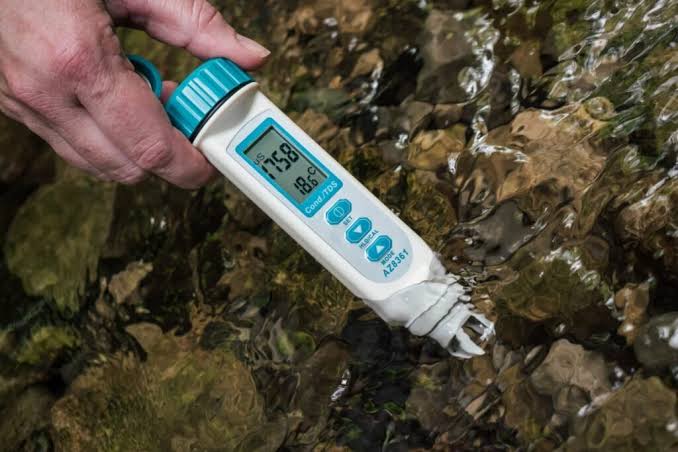
    TDS, or total dissolved solids, refers broadly to the amount of dissolved material present in water. Conductivity measures how well the water carries an electrical current, which is influenced by dissolved ions.

    These measurements can be useful indicators, but they shouldn’t be treated as a complete description of water quality. A high or low reading doesn’t automatically tell you exactly which substances are present.

    For commercial facilities, these numbers can become more meaningful when viewed alongside other test results and the specific needs of the business.

    Why Sediment and Turbidity Matter

    Water may contain tiny suspended particles that aren’t always obvious to the naked eye. Sediment and turbidity can affect the appearance of water and, in some situations, create operational problems for equipment.

    Sediment can collect inside filters, valves, pipes, and appliances. Over time, accumulation may restrict flow or increase the need for cleaning and maintenance.

    Turbidity, meanwhile, describes how cloudy or hazy water appears because of suspended particles. Monitoring turbidity can provide useful information about changes in water conditions, particularly when a property relies on a variable water source.

    If sediment is a recurring issue, a properly selected filtration system may help. But again, testing first is important because filtration requirements depend on particle size, concentration, and the source of the problem.

    The Importance of pH and Corrosivity

    Another important part of water analysis is pH and corrosivity. pH describes how acidic or alkaline water is, while corrosivity refers more broadly to the tendency of water to interact with and potentially damage plumbing materials.

    Water that is too aggressive toward certain materials can contribute to corrosion over time. That can affect pipes, fixtures, and other components, particularly in older commercial buildings.

    Corrosion isn’t always obvious at first. A small change in water chemistry may take considerable time before its effects become visible. Regular inspection and appropriate testing can help identify potential concerns earlier.

    How Water Chemistry Affects Equipment

    Commercial equipment often has a close relationship with water chemistry. Dishwashers, boilers, water heaters, ice machines, coffee systems, cooling equipment, and laundry machines can all be affected by the water passing through them.

    Mineral deposits may interfere with heat transfer. Sediment can collect inside components. Corrosive water can create another set of maintenance concerns.

    The important point is that water treatment isn’t simply about making water taste better. In many commercial environments, it can also be part of protecting equipment and keeping operations predictable.

    Choosing Treatment Based on Actual Results

    Once testing is complete, businesses can make more informed decisions about treatment.

    A facility with significant hardness may benefit from commercial water softening. A property dealing with sediment might require staged filtration. Another business could have concerns related to taste, odor, dissolved substances, or pH.

    There isn’t much value in installing a complicated system just because it sounds impressive. The better approach is to treat the actual problem.

    Proper system sizing matters, too. Equipment should be capable of handling normal and peak water demand without being unnecessarily oversized.

    Why Baseline Testing Can Be Useful

    One water test provides information about a particular point in time. Keeping those results can make future testing much more useful.

    Suppose a business tests its water every year and notices that certain measurements are gradually changing. That trend may provide an early warning that something in the water source, plumbing, or treatment process has changed.

    For facilities that depend heavily on water, maintaining records can also make troubleshooting easier. When equipment performance suddenly changes, historical water data may provide another piece of the puzzle.

    Testing and Preventive Maintenance Go Together

    Water testing works particularly well when it becomes part of a broader maintenance plan. Instead of waiting for equipment to fail, facility managers can monitor water conditions alongside filters, softeners, boilers, and other systems.

    This doesn’t mean every business needs to test constantly. The appropriate schedule depends on the water source, property type, equipment, and previous results.

    What matters most is having a sensible plan and responding when results show something worth investigating.

    A Better Way to Think About Commercial Water

    Water management doesn’t need to be complicated. Start with testing, understand the results, and then choose treatment based on what the property actually needs.

    Measurements such as TDS, conductivity, turbidity, pH, and other water characteristics can provide valuable clues. None should be considered in isolation, though. The bigger picture matters.

    For businesses, that thoughtful approach can help reduce unnecessary equipment purchases, support maintenance planning, and protect water-dependent systems.

    In the end, good water treatment isn’t about chasing perfect numbers. It’s about understanding the water well enough to make practical decisions. When businesses know what’s flowing through their pipes, they can respond with confidence instead of guesswork — and that’s a much better place to start.

  • Living with Well Water: Why Understanding Your Water Today Can Prevent Problems Tomorrow

    Living with Well Water: Why Understanding Your Water Today Can Prevent Problems Tomorrow

    If you rely on a well for your home’s water supply, you’ve probably heard someone say, “We’ve been drinking this water for years without any issues.” And sometimes that’s true. But water has a way of changing quietly. Seasons shift, groundwater moves, nearby construction happens, and natural minerals continue to interact with the environment beneath the surface.

    Unlike city water systems that are routinely monitored by public utilities, homeowners with private well water  take on the responsibility of understanding what’s coming into their homes. That might sound overwhelming at first, but it doesn’t have to be.

    In fact, learning more about your water is one of the simplest ways to protect your family, your plumbing, and the investment you’ve made in your home.

    Not Every Well Is the Same

    One of the biggest misconceptions about well water is that all wells behave similarly. They don’t.

    Two properties located just a mile apart can have remarkably different water quality. One homeowner may deal with excessive hardness, while another struggles with iron staining or sulfur odors. Some wells produce crystal-clear water that still contains dissolved minerals, while others experience seasonal changes after periods of heavy rainfall.

    Even if your water has always looked clean, appearance tells only part of the story.

    Many contaminants are invisible, odorless, and impossible to detect without proper testing.

    That’s why assumptions rarely lead to the best decisions.

    Small Signs Often Point to Bigger Issues

    Water problems usually don’t arrive overnight.

    Instead, they creep into everyday life little by little.

    You notice soap doesn’t rinse quite as well. White spots begin appearing on glasses fresh from the dishwasher. Faucets collect stubborn mineral deposits. Laundry feels rougher than it once did, or your water heater seems less efficient every year.

    Sometimes there’s an earthy smell after heavy rain or a metallic taste that appears only occasionally.

    Individually, these issues may seem minor.

    Together, they often suggest it’s time to understand what your water is actually carrying before those small inconveniences become larger plumbing or appliance problems.

    Experience Makes Water Easier to Understand

    Water chemistry can become surprisingly technical.

    Hardness levels, iron content, sulfur compounds, pH balance, sediment, nitrates, bacteria, and dissolved solids all influence water quality in different ways. Trying to interpret test results without guidance can feel confusing.

    That’s where certified water experts  become especially valuable.

    Rather than recommending the same equipment for every homeowner, experienced professionals evaluate the complete picture. They consider your water source, household size, plumbing system, lifestyle, and long-term goals before suggesting appropriate treatment options.

    Good advice doesn’t simply solve today’s problem.

    It helps prevent tomorrow’s.

    Why Generic Solutions Often Fall Short

    It’s tempting to buy a filtration system after reading a few online reviews or watching product videos.

    Unfortunately, water treatment isn’t quite that simple.

    A system designed to remove chlorine won’t necessarily solve hard water. A water softener won’t eliminate bacteria. Reverse osmosis improves drinking water but doesn’t protect water heaters or washing machines from mineral buildup.

    Every water issue requires the right combination of treatment methods.

    That’s why homeowners benefit most from customized treatment recommendations  based on actual water conditions rather than generalized assumptions.

    Tailored solutions often cost less in the long run because they address real problems instead of unnecessary ones.

    Water Quality Affects Your Entire Home

    Most people naturally think about drinking water first, but nearly every room in your home depends on water in some way.

    Your dishwasher, washing machine, water heater, showers, toilets, faucets, refrigerator, and even outdoor irrigation systems all rely on consistent water quality.

    When untreated minerals continuously flow through those systems, scale gradually builds inside pipes and appliances. Efficiency decreases. Maintenance increases. Equipment often wears out sooner than expected.

    Improving water quality helps support the entire home—not just the kitchen sink.

    Many homeowners notice softer laundry, cleaner dishes, smoother skin after bathing, fewer plumbing issues, and appliances that continue operating efficiently for many more years.

    Prevention Costs Less Than Repairs

    Homeowners rarely regret preventing expensive problems.

    Replacing a water heater, repairing damaged plumbing, or purchasing new appliances can become costly very quickly. In many cases, those repairs could have been delayed significantly with proper water treatment and regular monitoring.

    Testing water before problems become severe allows homeowners to respond early while treatment options remain straightforward.

    Preventative maintenance almost always proves less expensive than emergency repairs.

    It’s one of those investments that quietly pays for itself over time.

    Better Water Improves Everyday Living

    One of the interesting things about water treatment is that the benefits often arrive gradually.

    You stop buying bottled water.

    The shower feels more comfortable.

    Coffee tastes cleaner.

    Soap works better.

    Bathroom fixtures stay cleaner between scrubbings.

    You don’t necessarily wake up one morning amazed by your water.

    Instead, life simply becomes easier.

    And honestly, that’s often the sign that everything is working exactly as it should.

    Making Decisions with Confidence

    There’s something reassuring about knowing exactly what’s flowing through your plumbing every day.

    Instead of guessing whether your water is affecting appliances or wondering why certain stains continue appearing, you have real information that guides smart decisions.

    Whether your well has been operating for decades or you’ve recently moved into a home with a private water supply, regular evaluation creates confidence that your household water continues meeting your family’s needs.

    Knowledge removes uncertainty.

    And when it comes to something your family uses every single day, that’s incredibly valuable.

    Final Thoughts

    Owning a home with a private well offers independence and reliable access to groundwater, but it also comes with the responsibility of understanding and maintaining your water quality. Fortunately, that responsibility doesn’t have to be complicated.

    Routine testing, experienced guidance, and treatment solutions designed specifically for your home’s water conditions help protect everything from plumbing and appliances to everyday comfort and convenience.

    In the end, clean water isn’t simply about what’s safe to drink. It’s about creating a healthier, more efficient home where every faucet, every shower, and every appliance benefits from water you can trust. By taking the time to understand your well today, you’re making an investment that will continue paying off for years to come.

  • Why Regular Water System Maintenance Saves More Than Just Money

    Why Regular Water System Maintenance Saves More Than Just Money

    There’s a certain comfort that comes with turning on the tap and never having to think twice about the water flowing into your home. You expect it to taste fresh, feel clean, and work exactly as it should. Most of the time, it does. That’s probably why many homeowners forget there’s an entire system quietly working behind the scenes every single day.

    The problem is that water treatment equipment, much like your heating system or your car, doesn’t last forever without a little attention. Filters wear out, valves age, minerals build up, and small issues slowly develop into bigger ones if nobody notices them.

    The surprising part? Most major water system failures don’t happen overnight. They usually begin with tiny warning signs that are easy to ignore.

    Taking care of your water treatment system isn’t just about avoiding breakdowns. It’s about protecting the investment you’ve already made while ensuring your family continues enjoying clean, dependable water every day.

    Every Water System Experiences Wear Over Time

    No matter how advanced a filtration system is, every component has a lifespan.

    Water passes through filters, membranes, control valves, tanks, seals, and plumbing connections thousands of times every week. Minerals naturally accumulate inside equipment, moving parts gradually wear down, and filter media slowly loses effectiveness.

    Even systems that appear to be working perfectly may experience declining performance long before obvious symptoms appear.

    That’s why routine inspections matter so much. Catching small issues early often prevents expensive repairs later.

    It’s a simple idea, really. Looking after equipment while it’s still working well usually costs much less than fixing it after something fails.

    Small Problems Rarely Stay Small

    A slightly clogged filter may not seem like a major concern.

    Neither does a minor pressure drop or an unusual sound from a control valve. Yet these seemingly harmless issues often create additional strain throughout the system.

    Restricted water flow can reduce filtration efficiency. Worn seals may eventually develop leaks. Mineral buildup inside valves can increase operating pressure, placing unnecessary stress on pumps and plumbing connections.

    Addressing these issues through timely repair services helps restore normal operation before minor wear becomes major damage.

    In many cases, homeowners are surprised by how inexpensive early repairs are compared to replacing damaged equipment later.

    Why Routine Care Makes Such a Difference

    Many people associate maintenance with fixing things after they’ve already broken.

    In reality, the best maintenance happens before problems ever become noticeable.

    Good preventative maintenance includes replacing filter cartridges on schedule, inspecting plumbing connections, cleaning system components, checking pressure settings, sanitising equipment when appropriate, and verifying that every part continues operating efficiently.

    These routine tasks rarely take much time, but they dramatically improve long-term reliability.

    Think about changing the oil in your car. It feels unnecessary while everything is running perfectly, yet skipping it repeatedly almost guarantees expensive engine problems down the road.

    Water treatment equipment follows much the same logic.

    Different Systems Need Different Maintenance

    Not every filtration system requires identical care.

    Water softeners need periodic salt replenishment and resin inspections. Reverse osmosis systems require membrane replacement at appropriate intervals. Carbon filters eventually lose their ability to remove contaminants effectively, while ultraviolet disinfection units depend on healthy lamps to remain effective.

    Private well systems may also require additional monitoring depending on seasonal groundwater conditions.

    Understanding the maintenance needs of your specific equipment helps prevent unnecessary wear while ensuring water quality remains consistent throughout the year.

    One maintenance schedule simply doesn’t fit every household.

    Water Quality Can Change Without Warning

    Here’s something many homeowners never consider.

    The water entering your home today may not be identical to the water you received several years ago.

    Seasonal rainfall, drought conditions, municipal treatment adjustments, groundwater movement, aging infrastructure, and nearby environmental changes can all influence water quality over time.

    Because of these natural variations, treatment equipment sometimes needs adjustment even when it was originally installed correctly.

    Periodic testing helps confirm that the system continues matching current water conditions rather than outdated assumptions.

    Professional Inspections Offer Peace of Mind

    Routine inspections aren’t only about identifying problems.

    They’re also about confirming that everything continues operating exactly as intended.

    Experienced technicians evaluate water pressure, inspect plumbing connections, verify valve operation, examine filter performance, and look for subtle signs of wear that homeowners might easily overlook.

    Sometimes the visit ends with nothing more than reassurance that everything looks excellent.

    Oddly enough, that’s often one of the most valuable outcomes.

    Knowing your system is functioning properly removes uncertainty and allows you to enjoy your home’s water without constantly wondering whether something needs attention.

    Why Scheduling Maintenance Pays Off

    Waiting until equipment stops working usually creates the greatest inconvenience.

    Breakdowns rarely happen at convenient times, and emergency repairs often involve higher costs, temporary water disruptions, or rushed decisions about replacement equipment.

    Scheduling annual maintenance gives homeowners the opportunity to inspect their systems under normal operating conditions before unexpected failures occur.

    That proactive approach extends equipment lifespan while helping maintain consistent water quality throughout the year.

    It’s not glamorous, but it’s remarkably effective.

    Better Water Protects More Than Drinking

    Most people initially install water treatment equipment because they want cleaner drinking water.

    Over time, though, they often realise the benefits reach much further.

    Properly maintained systems help protect water heaters, washing machines, coffee makers, refrigerators, dishwashers, and plumbing fixtures from unnecessary mineral buildup or sediment accumulation.

    Soap works more effectively. Appliances operate more efficiently. Cleaning becomes easier, and household plumbing generally experiences less wear.

    These improvements happen quietly in the background, yet they contribute significantly to long-term home maintenance.

    Maintenance Is an Investment, Not an Expense

    It’s easy to view routine servicing as another household cost.

    A different perspective makes more sense.

    Maintenance protects equipment you’ve already purchased. It reduces the likelihood of emergency breakdowns, extends the lifespan of expensive components, preserves water quality, and often lowers operating costs by keeping systems running efficiently.

    Viewed over several years, routine servicing frequently saves far more than it costs.

    That’s one reason homeowners who maintain their systems consistently often replace equipment far less frequently than those who wait until problems become unavoidable.

    A Little Attention Goes a Long Way

    Water treatment systems rarely ask for much.

    With occasional inspections, timely filter replacements, routine cleaning, and professional servicing when needed, most systems continue providing dependable performance for many years.

    The key is resisting the temptation to ignore small warning signs simply because water still seems “good enough.”

    Clean, reliable water is something every household depends on countless times each day. Protecting the equipment that provides it doesn’t require constant effort—just thoughtful care at the right time.

    In the end, maintaining your water system isn’t really about preventing breakdowns. It’s about preserving comfort, protecting your home, and making sure every glass of water, every shower, and every load of laundry continues to feel just the way it should.

    Sometimes the simplest habit—taking care of what already works well—is the smartest investment a homeowner can make.

  • How a Water Softener Can Transform Your Home and Everyday Life

    How a Water Softener Can Transform Your Home and Everyday Life

    It’s funny how something as invisible as water can impact your life so dramatically. At first glance, most of us don’t give it a second thought—tap it, drink it, shower in it, and go about our day. But once you start noticing the little signs—spots on your glasses, soap that refuses to lather, a stubborn crust on faucets—it hits you: your water might be hard. And suddenly, something you’ve taken for granted feels like a nuisance creeping into every corner of your home.

    For years, my household dealt with that silent annoyance. Our dishes looked dull, laundry didn’t quite feel clean, and our hair felt strangely dry no matter how much conditioner we used. Then, a friend suggested looking into water softening solutions. I wasn’t convinced at first—it sounded fancy, maybe unnecessary. But after a bit of research and a couple of consultations, I realized it wasn’t just a luxury. A good water softener system could actually save time, money, and frustration.

    What is Hard Water, Anyway?

    Hard water essentially means your water is packed with minerals, primarily calcium and magnesium. These minerals aren’t dangerous to drink, but they love to leave a mark on everything they touch. Faucets get coated, soap refuses to foam, laundry looks dingy over time, and appliances like water heaters and dishwashers start to suffer.

    At first, you might ignore it. A little spot here, a dull shirt there—it feels trivial. But the cumulative effects are real. Hard water can reduce the efficiency of your appliances and even shorten their lifespan. Over the years, those small inconveniences translate into bigger expenses. That’s why a water softener isn’t just a “nice-to-have.” It’s more like a silent guardian for your home.

    How Water Softeners Work

    The technology behind a water softener is surprisingly simple and clever. Most systems use something called ion exchange. In layman’s terms, the system swaps the minerals in your water that cause hardness for sodium or potassium ions. The result? Softer water that lathers more easily, feels gentler on your skin and hair, and leaves fewer deposits on your pipes and fixtures.

    Some modern systems are almost too smart for their own good—they adjust regeneration cycles based on water usage, save salt, and some even connect to apps for monitoring. And if you’re shopping around, companies like mcleods eco water offer systems that combine durability with eco-conscious features. It’s not just about soft water—it’s about having a solution that fits seamlessly into your life.

    Signs You Might Need a Water Softener

    Sometimes, it’s obvious. Sometimes, it’s subtle. If you notice any of these signs, it might be time to consider a water softener:

    • Soap scum on your shower walls or faucets
    • Dull or grayish laundry despite using quality detergent
    • Water spots on dishes and glasses
    • Dry skin or brittle hair
    • Reduced efficiency or frequent repairs of water-using appliances

    Once you start seeing these little indicators, it’s easier to realize how pervasive hard water can be. And the relief after installing a proper system? Almost immediate.

    Finding the Right System

    Not all water softeners are created equal, and the right one depends on your household’s size, water usage, and hardness levels. This is where doing a bit of homework pays off. Sometimes, a simple call to water softener systems near me can give you a sense of what’s available in your area. Visiting a few providers or scheduling an in-home assessment can help you understand which system will meet your needs without overpaying.

    Some people prefer traditional salt-based systems, while others go for hybrid solutions that combine softening and filtration. It’s all about lifestyle, convenience, and long-term efficiency. A well-chosen system will pay for itself over the years in reduced appliance maintenance, lower energy bills, and less time spent scrubbing away mineral deposits.

    The Importance of Maintenance

    Even the best water softener needs a little TLC. Keeping the brine tank filled, cleaning out any sediment, and monitoring for any leaks or malfunctions are key. Neglecting maintenance can reduce efficiency, shorten the system’s lifespan, and even negate some of the benefits of soft water.

    For those who prefer to leave it to the pros, seeking out water softener maintenance near me ensures that your system continues to operate smoothly. Professionals can handle tricky parts, inspect the resin bed, and ensure regeneration cycles are functioning properly. A quick annual or semi-annual check can save a lot of headaches—and money—in the long run.

    Even if you’re hands-on, knowing when to call in a professional is wise. Maintenance doesn’t have to be a chore, but it does need attention to detail.

    Unexpected Benefits

    What many people don’t realize is that soft water does more than just make dishes sparkle. Your skin and hair can benefit, too. Softer water reduces dryness, irritation, and the need for excessive soap or shampoo. Clothes last longer, colors stay brighter, and cleaning is faster because soap and cleaning agents work more effectively.

    Appliances like water heaters, dishwashers, and washing machines operate more efficiently. They don’t have to work as hard to heat or move water, which saves energy and prolongs their lifespan. That’s a perk most homeowners don’t anticipate until they experience it firsthand.

    Even small chores feel less frustrating. Mirrors, windows, and tiles are easier to keep spotless. No more obsessive scrubbing after every shower. It’s the kind of improvement that quietly but consistently enhances daily life.

    Cost Considerations

    Water softeners range widely in price. Basic units might run a few hundred dollars, while high-end or hybrid systems can be a few thousand. Installation costs vary, especially if plumbing modifications are needed. It’s tempting to focus only on the upfront cost, but long-term savings—reduced energy bills, fewer appliance repairs, and less wear on plumbing—often outweigh initial expenses.

    The best approach is to think of it as an investment, not a purchase. Your water system works quietly every day, and a reliable water softener pays for itself in convenience, comfort, and efficiency.

    Making the Decision

    If you’re hesitating, consider how hard water is quietly affecting your home. Those small annoyances—spotted dishes, dull laundry, itchy skin—might feel minor, but they add up. A water softener transforms everyday routines, making your life more pleasant without demanding constant attention.

    The right system, installed correctly and maintained regularly, is almost like insurance for your home. You might not notice it every day, but over time, it protects your investment and improves your quality of life.

    Even if it’s just for peace of mind, exploring your options—whether it’s checking out mcleods eco water or finding water softener systems near me—is worth a few minutes of research. Once you’ve experienced soft water, it’s hard to imagine going back.

    Conclusion

    Hard water might be invisible, but its impact is tangible. From your appliances to your skin, hair, and even household chores, its influence is everywhere. Installing a water softener—especially a system that fits your home’s specific needs—and keeping it properly maintained can make a noticeable difference.

    Whether you choose a reliable system from mcleods eco water or simply explore options by searching for water softener systems near me, the benefits are immediate and long-term. Pair that with regular upkeep, whether DIY or via water softener maintenance near me, and you’ve got a setup that keeps your home running smoothly and comfortably for years.

    Life is full of small frustrations, and hard water doesn’t need to be one of them. Investing in a quality water softener is a small change that quietly improves daily routines, saves money, and protects your home. Once you make the leap, it’s the kind of upgrade that feels effortlessly transformative—simple, practical, and utterly worth it.