Why Regular Water System Maintenance Saves More Than Just Money
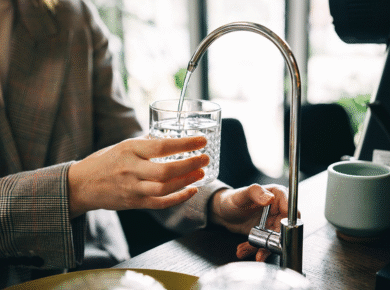
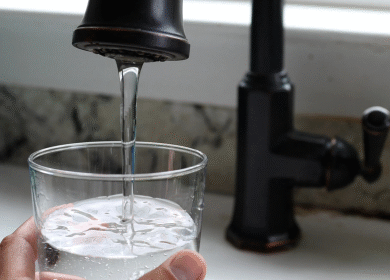
There’s a certain comfort that comes with turning on the tap and never having to think twice about the water flowing into your home. You expect it to taste fresh, feel clean, and work exactly as it should. Most of the time, it does. That’s probably why many homeowners forget there’s an entire system quietly working behind the scenes every single day.
The problem is that water treatment equipment, much like your heating system or your car, doesn’t last forever without a little attention. Filters wear out, valves age, minerals build up, and small issues slowly develop into bigger ones if nobody notices them.
The surprising part? Most major water system failures don’t happen overnight. They usually begin with tiny warning signs that are easy to ignore.
Taking care of your water treatment system isn’t just about avoiding breakdowns. It’s about protecting the investment you’ve already made while ensuring your family continues enjoying clean, dependable water every day.
Every Water System Experiences Wear Over Time
No matter how advanced a filtration system is, every component has a lifespan.
Water passes through filters, membranes, control valves, tanks, seals, and plumbing connections thousands of times every week. Minerals naturally accumulate inside equipment, moving parts gradually wear down, and filter media slowly loses effectiveness.
Even systems that appear to be working perfectly may experience declining performance long before obvious symptoms appear.
That’s why routine inspections matter so much. Catching small issues early often prevents expensive repairs later.
It’s a simple idea, really. Looking after equipment while it’s still working well usually costs much less than fixing it after something fails.
Small Problems Rarely Stay Small
A slightly clogged filter may not seem like a major concern.
Neither does a minor pressure drop or an unusual sound from a control valve. Yet these seemingly harmless issues often create additional strain throughout the system.
Restricted water flow can reduce filtration efficiency. Worn seals may eventually develop leaks. Mineral buildup inside valves can increase operating pressure, placing unnecessary stress on pumps and plumbing connections.
Addressing these issues through timely repair services helps restore normal operation before minor wear becomes major damage.
In many cases, homeowners are surprised by how inexpensive early repairs are compared to replacing damaged equipment later.
Why Routine Care Makes Such a Difference
Many people associate maintenance with fixing things after they’ve already broken.
In reality, the best maintenance happens before problems ever become noticeable.
Good preventative maintenance includes replacing filter cartridges on schedule, inspecting plumbing connections, cleaning system components, checking pressure settings, sanitising equipment when appropriate, and verifying that every part continues operating efficiently.
These routine tasks rarely take much time, but they dramatically improve long-term reliability.
Think about changing the oil in your car. It feels unnecessary while everything is running perfectly, yet skipping it repeatedly almost guarantees expensive engine problems down the road.
Water treatment equipment follows much the same logic.
Different Systems Need Different Maintenance
Not every filtration system requires identical care.
Water softeners need periodic salt replenishment and resin inspections. Reverse osmosis systems require membrane replacement at appropriate intervals. Carbon filters eventually lose their ability to remove contaminants effectively, while ultraviolet disinfection units depend on healthy lamps to remain effective.
Private well systems may also require additional monitoring depending on seasonal groundwater conditions.
Understanding the maintenance needs of your specific equipment helps prevent unnecessary wear while ensuring water quality remains consistent throughout the year.
One maintenance schedule simply doesn’t fit every household.
Water Quality Can Change Without Warning
Here’s something many homeowners never consider.
The water entering your home today may not be identical to the water you received several years ago.
Seasonal rainfall, drought conditions, municipal treatment adjustments, groundwater movement, aging infrastructure, and nearby environmental changes can all influence water quality over time.
Because of these natural variations, treatment equipment sometimes needs adjustment even when it was originally installed correctly.
Periodic testing helps confirm that the system continues matching current water conditions rather than outdated assumptions.
Professional Inspections Offer Peace of Mind
Routine inspections aren’t only about identifying problems.
They’re also about confirming that everything continues operating exactly as intended.
Experienced technicians evaluate water pressure, inspect plumbing connections, verify valve operation, examine filter performance, and look for subtle signs of wear that homeowners might easily overlook.
Sometimes the visit ends with nothing more than reassurance that everything looks excellent.
Oddly enough, that’s often one of the most valuable outcomes.
Knowing your system is functioning properly removes uncertainty and allows you to enjoy your home’s water without constantly wondering whether something needs attention.
Why Scheduling Maintenance Pays Off
Waiting until equipment stops working usually creates the greatest inconvenience.
Breakdowns rarely happen at convenient times, and emergency repairs often involve higher costs, temporary water disruptions, or rushed decisions about replacement equipment.
Scheduling annual maintenance gives homeowners the opportunity to inspect their systems under normal operating conditions before unexpected failures occur.
That proactive approach extends equipment lifespan while helping maintain consistent water quality throughout the year.
It’s not glamorous, but it’s remarkably effective.
Better Water Protects More Than Drinking
Most people initially install water treatment equipment because they want cleaner drinking water.
Over time, though, they often realise the benefits reach much further.
Properly maintained systems help protect water heaters, washing machines, coffee makers, refrigerators, dishwashers, and plumbing fixtures from unnecessary mineral buildup or sediment accumulation.
Soap works more effectively. Appliances operate more efficiently. Cleaning becomes easier, and household plumbing generally experiences less wear.
These improvements happen quietly in the background, yet they contribute significantly to long-term home maintenance.
Maintenance Is an Investment, Not an Expense
It’s easy to view routine servicing as another household cost.
A different perspective makes more sense.
Maintenance protects equipment you’ve already purchased. It reduces the likelihood of emergency breakdowns, extends the lifespan of expensive components, preserves water quality, and often lowers operating costs by keeping systems running efficiently.
Viewed over several years, routine servicing frequently saves far more than it costs.
That’s one reason homeowners who maintain their systems consistently often replace equipment far less frequently than those who wait until problems become unavoidable.
A Little Attention Goes a Long Way
Water treatment systems rarely ask for much.
With occasional inspections, timely filter replacements, routine cleaning, and professional servicing when needed, most systems continue providing dependable performance for many years.
The key is resisting the temptation to ignore small warning signs simply because water still seems “good enough.”
Clean, reliable water is something every household depends on countless times each day. Protecting the equipment that provides it doesn’t require constant effort—just thoughtful care at the right time.
In the end, maintaining your water system isn’t really about preventing breakdowns. It’s about preserving comfort, protecting your home, and making sure every glass of water, every shower, and every load of laundry continues to feel just the way it should.
Sometimes the simplest habit—taking care of what already works well—is the smartest investment a homeowner can make.