Water is involved in more parts of daily life than we usually notice. It goes into morning coffee, fills the kettle, rinses vegetables, and runs through showers, washing machines, and dishwashers. Most of the time, we expect it to work without giving it much thought. But when water starts leaving stains on the sink, develops an odd smell, or tastes different from what you’re used to, it can become difficult to ignore.
The tricky part is figuring out what’s causing the problem. Not every water issue needs the same treatment, and buying a filter before understanding the water can lead to unnecessary expense. A little testing and some practical research can help you choose equipment that fits your home instead of paying for features you may never use.
Start With the Water, Not the Equipment
Before comparing products, take a moment to consider what you’ve noticed. White deposits on faucets may point to hard water, while reddish stains can sometimes be associated with iron. A chlorine-like taste may suggest that a different filtration method could be useful. These signs offer clues, but they cannot tell the whole story.
Water quality depends on its source, local conditions, plumbing, and any treatment already in place. Municipal water is generally treated before distribution, yet mineral content and taste can vary. Private wells have their own considerations because natural substances and nearby environmental conditions may influence the water over time.
Related insight Keeping Your Water Treatment System Reliable With the
A suitable water test gives you a more reliable starting point. Depending on the source and the concerns involved, testing may cover hardness, pH, iron, sulfur-related compounds, bacteria, or other substances. A basic hardness test does not establish whether water is safe from every contaminant, so health-related concerns may require analysis by a certified laboratory.
Once you understand the results, you can decide which treatment method deserves consideration. It’s a much better approach than choosing a product simply because an advertisement promises to solve every water problem.
When One Filter Needs to Do Several Jobs
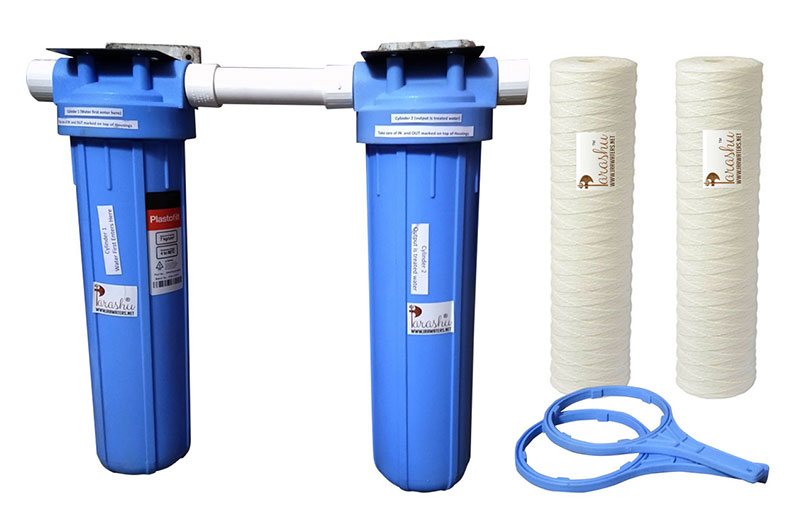
Some households want to address more than one concern without installing separate equipment at every faucet. They may want to reduce sediment, improve taste, and protect certain plumbing fixtures, all while keeping maintenance manageable. In these situations, multi-purpose residential water filters may be worth exploring.
These systems can combine different filtration media or treatment stages, depending on the model. A sediment stage may capture particles, while activated carbon can reduce certain tastes, odors, and selected compounds. Other components may target specific substances when the system has been designed and tested for that purpose.
Related insight Choosing the Right RO System: Capacity, Space, and
Still, the term “multi-purpose” doesn’t mean a filter removes everything. Performance depends on the media, system design, flow rate, and contaminants being targeted. Before purchasing, review the manufacturer’s documentation and any relevant independent certifications. Check exactly what the unit is designed to reduce rather than relying on the number of filtration stages or broad marketing language.
Think about the practical side, too. Will the system fit in the available space? Can replacement cartridges be obtained easily? Does it maintain enough water flow when several household fixtures are in use? These details might not seem exciting, but they matter once the equipment becomes part of your daily routine.
Understanding Tannin-Related Water Problems
Not all water discoloration comes from rust or ordinary sediment. In some areas, naturally occurring organic material can affect water color and give it a yellowish or tea-like appearance. Tannins can enter water from decaying vegetation and may be present in certain groundwater supplies.
A tannin filter may help reduce tannins when testing confirms that they are contributing to the problem. However, the correct treatment depends on the water chemistry and the concentration involved. Tannins can interact with other substances, including iron, which may complicate treatment. That’s why testing should come before selecting equipment.
Related insight What Water Testing Really Tells You About Commercial
A water-treatment professional can help interpret the results and determine whether a dedicated tannin treatment system, a combination of technologies, or another approach is appropriate. The goal is to address the actual cause of discoloration rather than installing a general filter and hoping for the best.
It’s also worth distinguishing cosmetic concerns from possible safety issues. Yellow or brown water does not automatically mean it is unsafe, but a sudden change in color or odor should be investigated. If you rely on a private well, follow local guidance for testing and avoid assuming that a change is harmless simply because the water still looks mostly clear.
Dealing With Iron and Sulfur Odors
Iron and sulfur-related problems can be especially frustrating because they often affect several parts of the home. Iron may cause orange or reddish staining on sinks, laundry, and plumbing fixtures. Sulfur compounds, including hydrogen sulfide, can produce a rotten-egg smell that makes water unpleasant to use.
For these concerns, iron and sulfur residential water filters may be an option, provided the selected system is designed for the specific conditions found in the water. Different forms of iron behave differently, and hydrogen sulfide may require a treatment process suited to its concentration. A standard sediment or carbon filter should not automatically be expected to handle every combination of iron and sulfur.
Related insight Living with Well Water: Why Understanding Your Water
Testing helps determine what is present and in what amounts. It can also identify other factors, such as pH and hardness, that may affect treatment performance. Depending on the findings, a system might use oxidation and filtration, specialised media, or another suitable technology.
If the smell appears suddenly or is accompanied by unusual color, cloudiness, or other changes, investigate the cause before relying on a new filter. For private wells, professional testing can help establish whether the issue is related to naturally occurring substances, plumbing, or another source.
Consider the Whole Household
The right filtration setup depends on how water is used around the property. If the main concern is drinking water at the kitchen sink, a point-of-use system may be enough. If sediment or other treatable issues affect several fixtures, a whole-house system could be more practical.
Household demand matters as well. A system that works for one person may struggle when several showers, laundry appliances, and kitchen taps are running at once. Ask about rated flow, pressure loss, installation requirements, and the ongoing cost of replacement media.
Related insight Clean Water, Clear Mind: Understanding PFAS and How
It’s sensible to compare the full cost of ownership, not just the initial purchase price. Some systems require frequent cartridge changes, while others need salt, regeneration materials, or periodic professional servicing. A lower-priced unit may not be the least expensive option over several years.
Keep Maintenance on the Calendar
Even a well-chosen filter needs attention. Follow the manufacturer’s schedule for replacing cartridges or media, and watch for changes in pressure, taste, odor, or staining. These signs do not always mean the system has failed, but they may indicate that maintenance or further testing is needed.
Keep a simple record of installation dates, service visits, and water-test results. It makes future maintenance easier and helps you notice changes that might otherwise go overlooked.
Make a Choice You Can Feel Confident About
Choosing residential water filtration doesn’t have to become a complicated project. Begin with reliable information, identify the specific problem, and compare equipment based on documented performance and practical needs. Ask questions about installation, maintenance, and long-term costs before making a commitment.
The most suitable system isn’t necessarily the biggest or most expensive one. It’s the one that addresses your water conditions, fits your household, and can be maintained properly. With a little planning, you can make a thoughtful decision and enjoy water that better suits the way you live every day.