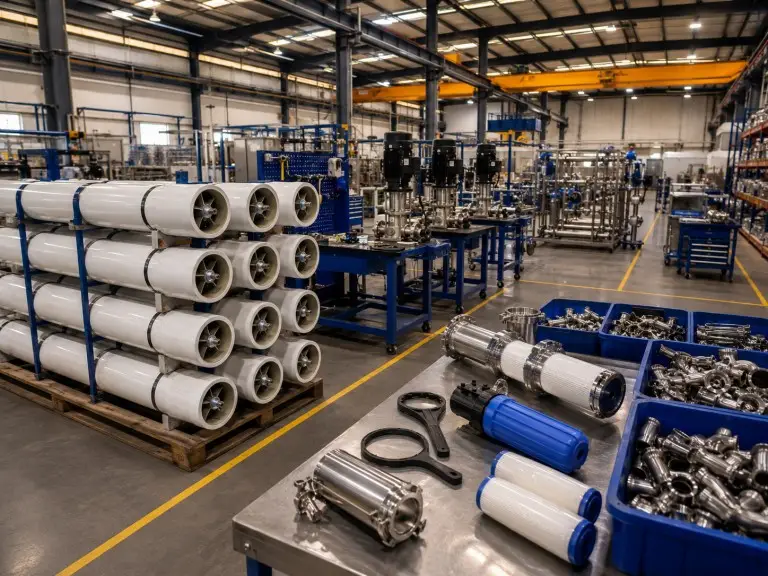
Water is one of those things people often take for granted—until something goes wrong. A strange taste in the glass, cloudy water in the sink, stubborn scale around the taps, or an unpleasant smell can quickly turn an ordinary household task into a daily frustration. For businesses, poor water quality can create even bigger problems, affecting equipment, operations, customer satisfaction, and long-term maintenance costs.
The good news is that water problems are rarely impossible to manage. With the right testing, equipment, and professional guidance, property owners can choose a treatment approach that matches their actual needs. Whether the goal is cleaner drinking water, better-performing appliances, or reliable water for commercial operations, understanding the available options is the first step.
Understanding the Water Problems Around You
Water quality can vary considerably depending on the source, local geology, plumbing infrastructure, and treatment processes already in place. Municipal water may contain disinfectants such as chlorine, while private wells can have elevated levels of iron, manganese, sediment, bacteria, or sulfur compounds. Even water that looks clear may contain dissolved contaminants that cannot be detected by sight alone.
Hard water is another common concern. It contains minerals such as calcium and magnesium, which can leave white deposits on fixtures, reduce soap efficiency, and create scale inside water heaters, dishwashers, and pipes. Over time, that buildup may reduce efficiency and increase repair expenses.
Other issues may include unpleasant odors, metallic tastes, discoloration, or contaminants such as nitrates, PFAS, and certain heavy metals. Since each issue requires a different treatment method, guessing can lead to wasted money. A proper water test helps identify what is actually present before equipment is selected.
Choosing Solutions Based on the Source
A good water treatment system should be designed around the water source and the property’s daily usage. A small home with municipal water may need a whole-house filter, a softener, or a drinking-water reverse osmosis system. A rural property using well water may require sediment filtration, iron removal, disinfection, or a combination of technologies.
For larger properties, the requirements can be more complex. Offices, restaurants, hotels, schools, agricultural facilities, and manufacturing sites may need systems that handle higher flow rates and operate consistently throughout the day. This is where business & commercial solutions become especially important. Commercial systems must be selected not only for water quality, but also for capacity, reliability, maintenance schedules, and compliance with applicable standards.
A system that works well in a private kitchen may not be suitable for a restaurant or industrial facility. Commercial water demands can change throughout the day, and equipment must be able to handle peak usage without creating pressure drops or inconsistent treatment results.
Common Water Treatment Technologies
There is no single machine that solves every water issue. Different technologies target different contaminants and conditions.
Sediment Filtration
Sediment filters remove physical particles such as sand, dirt, silt, and rust. They are often used as a first stage of treatment to protect other equipment. Depending on the water source, sediment filtration may be especially useful for well systems or properties with aging plumbing.
Water Softeners
Water softeners reduce hardness minerals through an ion-exchange process. They can help prevent scale formation, improve soap performance, and protect water-using appliances. However, softeners are not designed to remove every contaminant, so they are usually part of a broader treatment plan rather than a complete solution.
Carbon Filtration
Activated carbon filters are commonly used to reduce chlorine, certain organic compounds, and unpleasant tastes or odors. They can improve the sensory quality of water and are often installed at the point of use or as part of a whole-home system.
Reverse Osmosis
Reverse osmosis systems use a semipermeable membrane to reduce many dissolved substances. They are often installed under a kitchen sink for drinking and cooking water, although larger systems can serve commercial or whole-property applications. Reverse osmosis typically requires pre-filtration and regular maintenance to perform properly.
UV Disinfection
Ultraviolet systems use UV light to inactivate many microorganisms. They are often considered for private wells or other water sources where microbial contamination is a concern. UV treatment does not remove sediment, hardness, or dissolved chemicals, so it may need to be combined with other equipment.
When Standard Equipment Is Not Enough
Some water conditions require more specialized planning. High levels of iron, manganese, sulfur, tannins, or other difficult contaminants may cause staining, odors, or treatment challenges. In these cases, a basic filter purchased without testing may not solve the problem.
Specialized problem water solutions are designed for water that has characteristics beyond ordinary hardness or chlorine taste. Depending on the test results, treatment may involve oxidation and filtration, specialized media, chemical-free iron removal, aeration, sulfur treatment, or advanced contaminant reduction.
The key is to avoid treating symptoms without understanding the cause. For example, a sulfur smell may come from hydrogen sulfide, bacterial activity, or a reaction involving a water heater. The correct solution depends on where the odor originates and what the water analysis reveals.
Maintenance Is Part of the System
Even a high-quality treatment system needs attention. Filters must be replaced, softeners require salt or regeneration management, reverse osmosis membranes need periodic inspection, and UV lamps must be changed according to manufacturer recommendations. Neglecting maintenance can reduce performance and may allow the system to become less effective over time.
Property owners should also understand which components are consumable and which may eventually need servicing. Keeping a simple maintenance calendar can prevent small tasks from becoming expensive problems.
Having access to the right replacement parts & accessories makes ongoing care much easier. Items such as filter cartridges, membranes, O-rings, housings, valves, fittings, tubing, and testing supplies may be necessary to keep a system operating correctly. Using compatible, quality parts is important because an incorrect component can cause leaks, poor filtration, or premature equipment failure.
Why Professional Guidance Matters
Water treatment is not simply about buying a machine and connecting it to a pipe. Flow rate, pressure, water chemistry, plumbing layout, household size, commercial demand, and maintenance expectations all influence the right choice.
A professional water treatment provider can evaluate test results, explain the available technologies, and recommend a system that fits the property. They can also help determine whether treatment should occur at the point of entry, at a specific faucet, or through a combination of systems.
For businesses, professional planning is particularly valuable because water treatment problems can interrupt operations. A restaurant may depend on consistent water quality for food preparation and cleaning. A hotel may need to protect laundry equipment and guest amenities. A farm may require dependable water for livestock, irrigation, or processing. The treatment strategy should reflect the practical demands of the site.
Making a Sensible Long-Term Investment
The cheapest system is not always the most economical choice. A low-cost unit may have limited capacity, expensive replacement filters, difficult-to-find parts, or poor support. On the other hand, an oversized system can create unnecessary installation and operating costs.
A better approach is to compare the total cost of ownership. Consider the initial purchase price, installation, energy or salt usage, filter replacement, service requirements, expected lifespan, and warranty coverage. A system that costs slightly more upfront may provide better value if it performs reliably and is easy to maintain.
Water treatment should also be viewed as a long-term investment in comfort, equipment protection, and operational reliability. Clean, properly treated water supports everyday routines and helps reduce avoidable wear on plumbing and appliances.
Final Thoughts
Every water problem has its own story, and the right treatment solution begins by understanding that story. Testing the water, identifying the source of the issue, and choosing equipment based on actual needs can prevent unnecessary expense and disappointment.
From household filtration and softening to advanced commercial systems and specialized treatment for difficult conditions, modern water treatment offers practical ways to improve water quality. With professional advice, suitable equipment, and regular maintenance, property owners can enjoy more dependable water and greater peace of mind for years to come.