Clean water is one of those things most of us take for granted until something changes. Perhaps the drinking water develops an unusual taste, the shower leaves behind stubborn mineral deposits, or a filtration system that once worked quietly in the background starts making unfamiliar noises. These little signs can be frustrating, especially when you rely on treated water every day.
A water treatment system is an investment in convenience, equipment protection, and, depending on the technology installed, improved water quality. But buying the right system is only part of the story. Its performance over the years also depends on proper installation, regular checks, timely repairs, and access to people who understand how the equipment works.
Knowing what to expect from ongoing care can help homeowners and businesses avoid unnecessary disruptions. It also makes it easier to recognize when a simple adjustment is enough and when professional attention is needed.
Why Regular Water System Care Matters
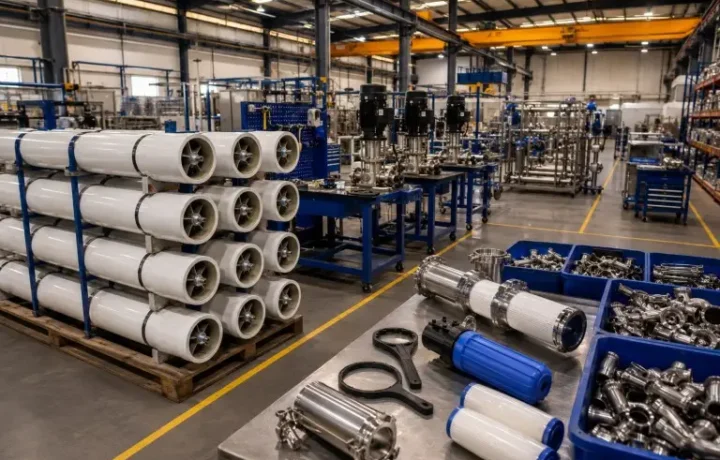
Water treatment equipment works under different conditions depending on the water source, household demand, and treatment method. A reverse osmosis unit, for example, uses specialized membranes and filters, while a conventional water softener relies on resin and a regeneration process. Each has its own service requirements.
Over time, sediment can accumulate, filters can become clogged, and components may wear out. If these issues go unnoticed, water flow may decrease or the system may no longer perform as intended. In some cases, the equipment continues running normally on the outside even though a filter or other component needs attention.
Related insight What Water Testing Really Tells You About Commercial
Regular maintenance helps identify these issues before they become more disruptive. Depending on the equipment, routine care may include replacing filters, checking connections for leaks, cleaning components according to manufacturer instructions, and confirming that operating settings remain appropriate.
There isn’t one universal maintenance schedule. Some filters need replacement after a specific period, while others are rated according to water usage or capacity. Following the manufacturer’s recommendations and considering actual water conditions is generally more reliable than changing every component at arbitrary intervals.
Recognizing When Your System Needs Attention
Water treatment systems often provide warning signs when something isn’t quite right. Paying attention to these changes can help you arrange service before a small issue becomes a bigger problem.
One common sign is a change in taste or odor. If treated drinking water suddenly tastes different, a filter may have reached the end of its useful life, or another issue may be affecting the supply. However, taste alone cannot establish whether water is safe to drink. A change in appearance, smell, or taste should be investigated, particularly if it is sudden or unexplained.
Reduced water pressure can also indicate a problem. A clogged filter, restricted valve, or issue elsewhere in the plumbing may be responsible. If pressure drops throughout the property rather than at a single fixture, the cause may extend beyond the treatment unit.
Related insight Practical Water Treatment Solutions for Homes, Businesses, and
For water softeners, a return of scale deposits or difficulty getting soap to lather may suggest that the system is no longer reducing hardness effectively. Possible causes include low salt levels, incorrect settings, or a mechanical fault.
Never ignore persistent leaks, damaged electrical connections, or unusual operating noises. If the equipment appears unsafe, stop using it when appropriate and arrange qualified assistance.
Getting Help From a Knowledgeable Service Team
When a water treatment system develops a problem, finding someone who understands the specific equipment can save time and frustration. A general plumbing professional may be able to address a leaking connection, but diagnosing a specialized filtration unit can require additional product knowledge and testing.
Reliable service support should involve more than simply replacing a part and leaving. A good technician will ask about the symptoms, inspect the relevant components, explain the likely cause, and discuss the recommended repair before proceeding.
For example, imagine that a reverse osmosis system is producing less water than usual. Replacing the membrane immediately might seem like an obvious solution, but the actual problem could be a clogged prefilter, insufficient supply pressure, or a malfunctioning storage tank. A proper diagnosis helps prevent unnecessary expenses.
Related insight Choosing the Right RO System: Capacity, Space, and
Before arranging a service visit, gather the equipment’s model number, installation details, and any available service records. Make a note of when the problem started and whether anything changed beforehand. These details can help the technician narrow down possible causes.
Ask about service charges, replacement-part costs, estimated timelines, and warranty coverage. Clear communication helps everyone understand what the visit includes and what might require additional work.
The Importance of Timely Filter Replacement
Filters play a central role in many water treatment systems, but they don’t last forever. Their useful life depends on the filter design, water quality, and the volume of water passing through them.
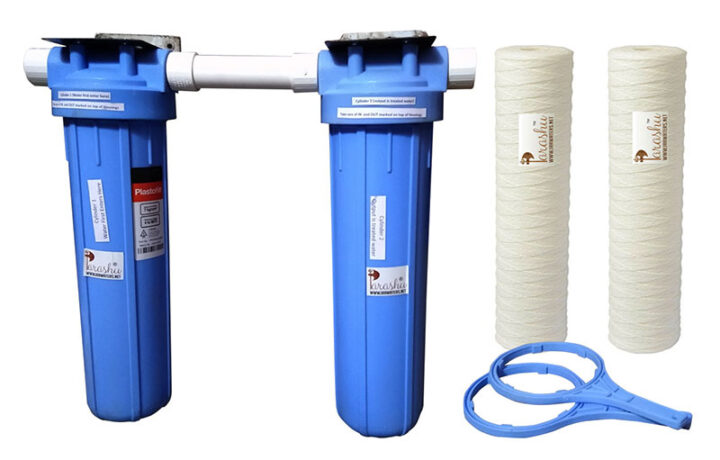
Sediment filters capture particles that could otherwise interfere with downstream equipment. Activated carbon filters can reduce chlorine, certain tastes, and odors when designed and certified for those purposes. Reverse osmosis membranes remove many dissolved substances, although their performance depends on the membrane, operating conditions, and the contaminants involved.
Using a filter beyond its recommended service life can reduce performance and may affect water flow. On the other hand, replacing components too early can add unnecessary expense.
Related insight Finding the Right Water Solution for Homes and
Keep a simple record of installation dates, replacement dates, and any changes in water quality or pressure. Some systems include indicators or monitoring features, but these should be interpreted according to the manufacturer’s guidance rather than treated as a guarantee of water safety.
It’s also important to select replacement components that are compatible with the equipment. A filter that fits physically may not provide the same performance as the specified model.
Preventing Problems Through Routine Inspections
A little attention between professional service visits can help keep equipment in good condition. Check the area around the system periodically for moisture, loose connections, corrosion, or unusual sounds. Keep the equipment accessible and avoid storing items where they could block ventilation or prevent servicing.
If your system uses salt, check the reservoir as directed and follow the manufacturer’s instructions for cleaning it. For cartridge-based systems, look for signs of leakage around the housing after a replacement. Always follow the recommended procedure for depressurizing equipment before opening components.
Businesses may need a more structured inspection plan than households. Restaurants, hotels, healthcare facilities, and manufacturing operations can depend on consistent water quality for everyday processes. Unexpected equipment downtime may interrupt service or affect production, making documented inspections and scheduled servicing especially useful.
Related insight Living with Well Water: Why Understanding Your Water
The right inspection frequency depends on system design, usage, and the consequences of a failure. A qualified provider can help establish a practical schedule rather than recommending unnecessary visits.
Choosing a Provider for Long-Term Reliability
When comparing water treatment service providers, consider their experience with your equipment, their ability to source compatible parts, and how clearly they explain their recommendations. Availability matters, too, particularly when a system supports a busy commercial operation or a household with limited alternative water options.
Ask whether the company offers scheduled service visits, emergency assistance, system testing, and advice about future upgrades. Check the scope of any service agreement carefully so you know which parts, labor charges, and visits are included.
Customer reviews can provide useful context, especially when they mention communication, punctuality, and how problems were handled. Still, a thoughtful conversation about your actual needs is often more informative than a promotional promise.
If you need help diagnosing a problem, arranging a routine visit, or understanding whether your existing equipment still suits your needs, contact us through the provider’s available communication channels. Explain what you’ve noticed and share the model details if possible. A clear description can help the service team determine the most appropriate next step.
Making Water Treatment a Long-Term Investment
A reliable water treatment system should provide value well beyond the day it is installed. That means choosing appropriate equipment, using compatible replacement parts, following recommended service intervals, and responding promptly when performance changes.
No system lasts forever without attention, and no single treatment technology addresses every possible water concern. Periodic testing may be necessary to verify performance, particularly when the water source changes or there is a specific concern about contaminants.
The best approach is straightforward: understand what your system is designed to do, keep useful service records, and seek qualified help when something seems wrong. With consistent care and sensible decisions, water treatment equipment can remain dependable for years, helping households and businesses enjoy greater confidence in the water they use every day.