Most homeowners give drinking water plenty of attention, but the water used for everything else tends to fly under the radar. Think about your morning shower, the laundry piling up over the weekend, or the water running through your dishwasher. All of it comes from the same supply, yet its quality can affect each activity differently.
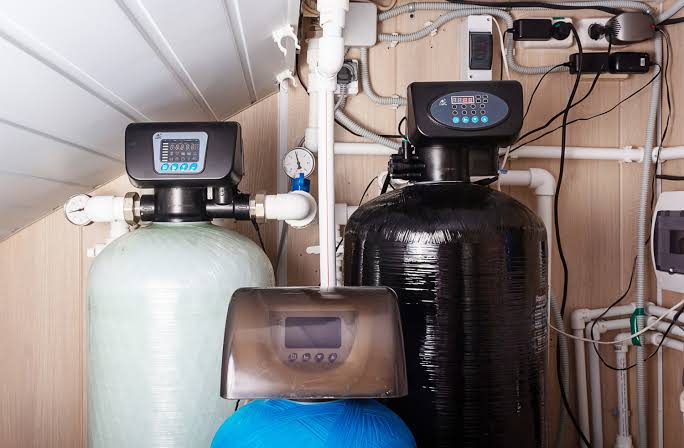
Installing point-of-entry water filtration allows homeowners to treat incoming water before it moves through the property’s plumbing network, addressing specific concerns across multiple household fixtures.
It’s an approach worth considering if you’re tired of dealing with sediment, unpleasant odors, or other persistent water quality issues.
However, getting good results involves understanding what needs to be removed, choosing suitable equipment, and giving that equipment proper attention over time.
Why Treating Water at the Main Supply Makes Sense
Individual faucet filters are certainly useful, particularly when drinking water is your primary concern. But they don’t address water quality elsewhere in the house.
A centralized filtration system treats incoming water near the main supply connection. Depending on the plumbing arrangement, treated water can then travel to bathrooms, kitchen fixtures, laundry areas, and other connected outlets.
Imagine discovering small rust particles in several faucet aerators throughout your home. Installing separate filters at every affected fixture would quickly become inconvenient.
Related insight Choosing the Right Residential Water Filters for a
Centralized treatment offers a more coordinated approach when the problem originates upstream of the filtration equipment.
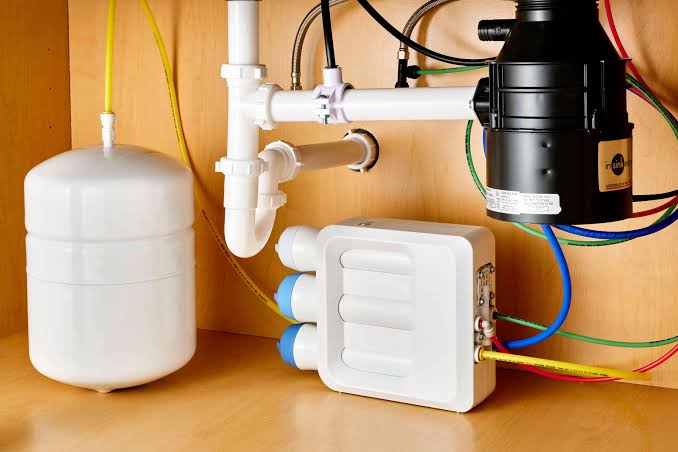
That said, not every home needs comprehensive treatment. If your only concern is the taste of drinking water, a dedicated kitchen filter might be perfectly sufficient.
How Sediment and Carbon Filters Work Together
Different substances require different treatment methods. That’s why many residential filtration systems incorporate more than one type of filter.
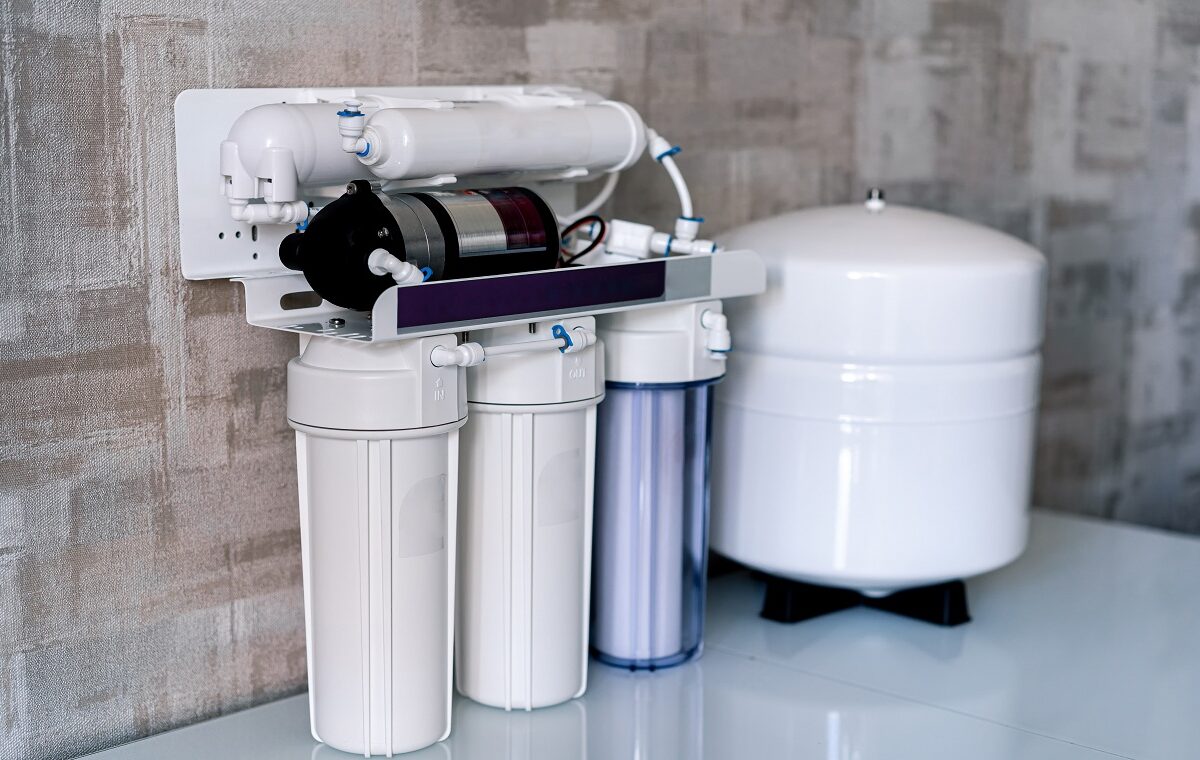
A properly designed whole-home sediment and carbon filtration system combines physical particle removal with activated carbon treatment to address separate aspects of water quality.
Sediment filters capture suspended materials such as sand, dirt, and rust particles. They can also help protect downstream filtration components from excessive debris.
Activated carbon works differently. Its porous structure allows certain substances to bind to its surface, potentially reducing chlorine, unpleasant odors, and selected organic contaminants.
Together, these technologies can provide practical improvements when the incoming water contains substances they’re designed to address.
Related insight Keeping Your Water Treatment System Reliable With the
However, ordinary sediment and carbon filters don’t generally remove dissolved hardness minerals or reliably eliminate disease-causing microorganisms. Additional treatment may be necessary depending on water testing results.
Choosing Filtration Equipment That Suits Your Property
Shopping for filtration equipment can become surprisingly confusing. There are different tank sizes, cartridge designs, treatment capacities, and performance claims to consider.
When comparing residential whole-house filters, homeowners should pay particular attention to incoming water quality, peak flow requirements, filter capacity, and ongoing maintenance expenses.
A large household with several bathrooms will likely require different equipment from a small property occupied by one or two people.
An inadequately sized filter may restrict water flow or require replacement more frequently than anticipated.
Before selecting equipment, consider your household’s busiest periods. Perhaps someone showers while the washing machine runs and another family member prepares breakfast.
A suitable filtration system should accommodate these overlapping demands without unnecessarily disrupting normal water usage.
Related insight What Water Testing Really Tells You About Commercial
Ask your installer how the recommended equipment matches your property’s actual requirements.
Municipal Water and Private Well Water Have Different Needs
Water source plays an important role in determining which filtration methods make sense.
Municipal water customers may be interested in reducing certain disinfectant-related tastes or odors. Private well owners, meanwhile, may encounter sediment, iron, manganese, or other naturally occurring substances.
These concerns aren’t interchangeable, and neither are their treatment requirements.
Start by reviewing available municipal water quality reports or arranging appropriate laboratory testing. Well owners should be especially mindful of testing for potentially harmful contaminants.
It’s also important to consider the implications of removing disinfectant residuals from water entering household plumbing. Proper system design and maintenance help manage associated microbial growth concerns.
Reliable testing and professional guidance are much more valuable than choosing equipment based solely on how clear or pleasant your water appears.
Related insight Living with Well Water: Why Understanding Your Water
The Practical Benefits You’ll Notice Around the House
Suitable filtration can improve everyday experiences in several ways.
Reducing suspended debris may help limit particle accumulation in faucet aerators and certain plumbing components. Appropriate carbon treatment may also make water more pleasant to use by reducing objectionable tastes and odors.
For some homeowners, the biggest advantage is simply having one centralized system rather than maintaining numerous individual filters.
Of course, filtration won’t automatically resolve every household water problem.
If chalky deposits continue appearing around bathroom fixtures, hardness minerals may be responsible. A suitable water softener could be more appropriate for addressing that particular issue.
Understanding what your equipment can and cannot accomplish helps keep expectations realistic.
Maintenance Matters More Than Many Homeowners Realize
A filtration system isn’t something you should install and completely forget about.
Related insight Clean Water, Clear Mind: Understanding PFAS and How
Sediment cartridges gradually collect debris, while carbon media eventually lose their ability to capture certain substances effectively.
Follow manufacturer recommendations for servicing and replacement. Unexpected reductions in water pressure or changes in treatment performance deserve investigation.
Before purchasing equipment, ask about replacement filter availability, servicing expenses, and whether the system includes a convenient bypass arrangement.
Keep maintenance records and arrange periodic water testing when treatment is intended to reduce health-related contaminants.
Consistent attention helps preserve equipment performance and protects the value of your investment.
Making Better Water Part of Everyday Living
Improving water quality throughout your home doesn’t need to involve unnecessarily complicated technology.
Begin with reliable testing, identify the problems that genuinely affect your household, and choose filtration equipment with verified performance.
A thoughtfully selected system should quietly support your everyday routine without becoming another demanding household responsibility.
Sometimes, the most worthwhile improvements are the ones that work behind the scenes, making ordinary activities a little more comfortable without constantly asking for your attention.