Most people turn on their kitchen faucets without thinking about the journey water takes before reaching their drinking glasses. However, when tap water has an unpleasant aftertaste or contains unwanted dissolved substances, finding a dependable treatment solution becomes a priority.
Reverse osmosis has become a popular approach to improving household drinking water quality. Yet many homeowners aren’t entirely familiar with the technology behind these systems or the purpose of their individual filtration components.
Understanding these details can make choosing suitable equipment considerably easier.
For families throughout Northeast Florida, Tri-County Water Specialists can help explore drinking water treatment solutions based on individual household requirements. Whether you’re hoping to reduce bottled water purchases or address specific water quality concerns, learning about reverse osmosis is an excellent place to begin.
Understand the Technology Behind Reverse Osmosis Filtration
Water may contain dissolved minerals, salts, and other substances that conventional particle filters cannot effectively capture. Reverse osmosis uses a different treatment approach to reduce many of these dissolved substances.
Learning how reverse osmosis systems work helps homeowners understand what happens inside their filtration equipment and why membrane technology plays such an important role in drinking water treatment.
Reverse osmosis operates by applying pressure to move water through a semipermeable membrane. This membrane allows water to pass through while rejecting many dissolved substances.
The process creates two separate water streams. One contains treated water intended for household use, while the other carries concentrated rejected substances toward an appropriate drain.
Related insight Keeping Your Water Treatment System Reliable With the
Depending on the system’s configuration, treated water may enter a storage tank or be produced on demand.
Unlike conventional sediment filtration, which primarily captures suspended particles, reverse osmosis can reduce many dissolved salts, minerals, and selected contaminants.
However, treatment performance depends on membrane quality, incoming water pressure, temperature, water chemistry, and maintenance practices.
Imagine preparing a fresh pot of coffee without unwanted water flavors competing with the aroma of your favorite coffee beans. Appropriate treatment may help make this familiar morning routine more enjoyable.
It’s important to remember that reverse osmosis doesn’t automatically remove every possible contaminant. Homeowners should evaluate independently certified treatment capabilities when selecting equipment for specific water quality concerns.
Discover Why Multiple Filtration Stages Work Together
A reverse osmosis membrane is an essential treatment component, but it rarely operates alone in a residential filtration system. Additional filters often support membrane performance and help improve the characteristics of treated water.
Modern multi-stage reverse osmosis systems combine complementary treatment processes designed to address different water quality concerns and support dependable equipment operation.
A typical residential configuration may include the following components:
Related insight Choosing the Right Residential Water Filters for a
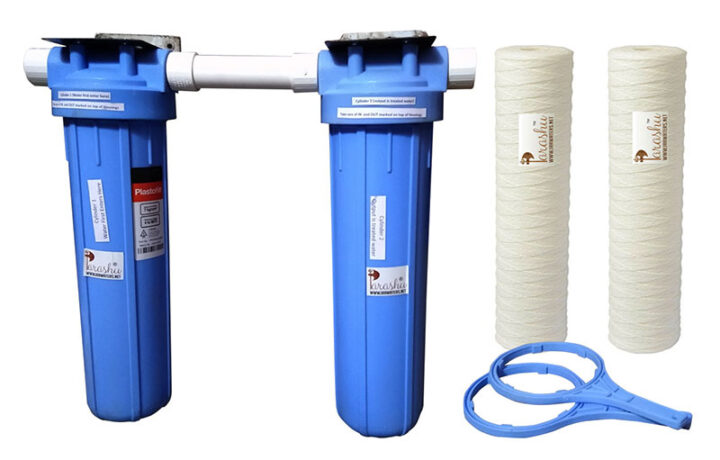
- Sediment prefilter: Captures suspended particles such as sand, dirt, and rust before they reach sensitive treatment components.
- Activated carbon prefilter: Helps reduce selected disinfectants and unwanted substances that could affect membrane performance.
- Reverse osmosis membrane: Reduces many dissolved salts, minerals, and targeted contaminants.
- Post-carbon filter: Helps improve the final taste and odor of treated drinking water.
- Optional remineralization filter: Introduces selected minerals to adjust the taste and characteristics of treated water.
Each stage serves a distinct purpose.
For example, preliminary filtration helps protect the membrane against certain unfavorable incoming water conditions, while final-stage filtration can improve the drinking experience.
Some homeowners assume that equipment with more filtration stages automatically delivers superior results. However, the number of stages alone doesn’t determine treatment effectiveness.
Filter quality, membrane specifications, system design, and verified contaminant reduction capabilities are more meaningful considerations.
A thoughtfully designed system with fewer appropriate stages may provide greater practical value than complicated equipment featuring unnecessary components.
Professional guidance helps homeowners understand these differences and choose a configuration that addresses their actual requirements.
Choose Residential Reverse Osmosis Equipment That Fits Your Lifestyle
Every household has different drinking water consumption patterns. Some families prepare multiple meals at home and frequently fill reusable bottles, while others have relatively modest daily requirements.
When comparing reverse osmosis filters for home use, homeowners should evaluate water production capacity, installation space, filtration capabilities, water efficiency, and ongoing maintenance expenses.
Related insight Practical Water Treatment Solutions for Homes, Businesses, and
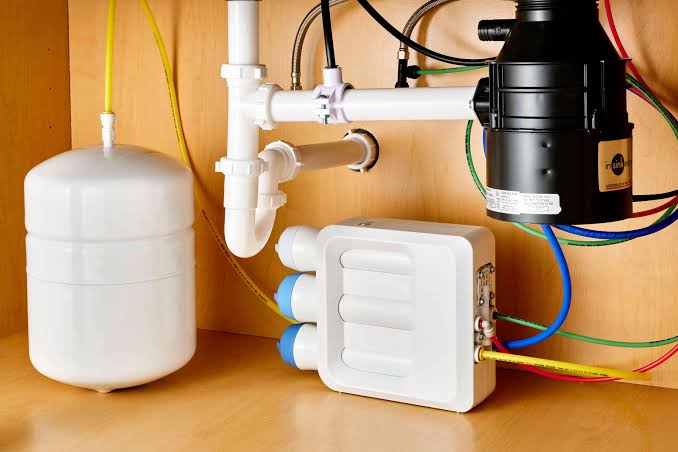
Under-sink configurations are particularly convenient because they keep treatment equipment inside kitchen cabinetry while delivering filtered water through a designated faucet.
Traditional systems often include a storage tank that makes treated water readily available. Tankless models generally produce filtered water on demand and may require an electrical connection.
Consider your family’s busiest moments. You might be preparing breakfast, filling water bottles for school, and brewing coffee within a short period.
Your filtration equipment should accommodate these activities without unnecessary interruptions.
Homeowners should also consider the accessibility of replacement cartridges and membranes. Purchasing equipment that requires expensive or difficult-to-obtain components could make long-term ownership unnecessarily complicated.
For Northeast Florida properties, existing water conditions should also influence equipment selection.
Households relying on private wells may require additional pretreatment to address iron, sediment, or excessive hardness before water reaches the membrane.
The most suitable system isn’t necessarily the most expensive model. It’s the equipment that matches your water quality, consumption habits, and financial priorities.
Related insight Choosing the Right RO System: Capacity, Space, and
Why Water Testing Matters Before Reverse Osmosis Installation
Purchasing drinking water equipment without understanding your existing water conditions can lead to disappointing results.
Northeast Florida properties may receive water from municipal suppliers or depend on private wells. These different sources can present different treatment challenges.
Professional assessments can help identify relevant water characteristics and determine whether reverse osmosis would provide meaningful benefits.
Private well owners should also arrange appropriate laboratory testing for bacteria, nitrates, and other potentially harmful contaminants.
Remember that total dissolved solids readings alone cannot establish drinking water safety.
Reliable testing allows homeowners to select treatment equipment based on measurable findings rather than assumptions about their water supply.
Consider the Long-Term Benefits and Operating Expenses
Installing a residential reverse osmosis system may help reduce dependence on bottled water while providing convenient access to treated drinking water.
However, homeowners should consider installation expenses, replacement filters, membrane servicing, and water consumption during treatment.
Related insight What Water Testing Really Tells You About Commercial
Water recovery efficiency varies between systems, making it a useful factor when comparing available equipment.
Using reusable bottles filled with appropriately treated water may also help reduce disposable plastic waste.
Evaluating both financial and environmental considerations provides a clearer picture of long-term ownership value.
Maintain Your Reverse Osmosis System for Consistent Performance
Regular maintenance is essential for preserving filtration effectiveness.
Replace cartridges and membranes according to manufacturer recommendations, follow appropriate sanitation procedures, and monitor unexpected changes in water taste or production rate.
Keeping simple maintenance records can help homeowners anticipate servicing expenses and identify potential performance concerns.
Periodic follow-up testing may also help verify that installed equipment continues meeting its intended treatment objectives.
Enjoy Better Drinking Water in Your Northeast Florida Home
Understanding reverse osmosis technology makes selecting drinking water equipment less complicated.
Consider contacting Tri-County Water Specialists to discuss your existing water conditions and explore personalized filtration recommendations.
With reliable testing, thoughtful equipment selection, professional installation, and consistent maintenance, homeowners can enjoy convenient access to appropriately filtered water.
From preparing your morning coffee to filling a glass after spending time outdoors, the right treatment system can make everyday moments more enjoyable while delivering lasting practical value to your household.